
Summer Heat and Your Roof: What Western KY Homeowners Should Watch For
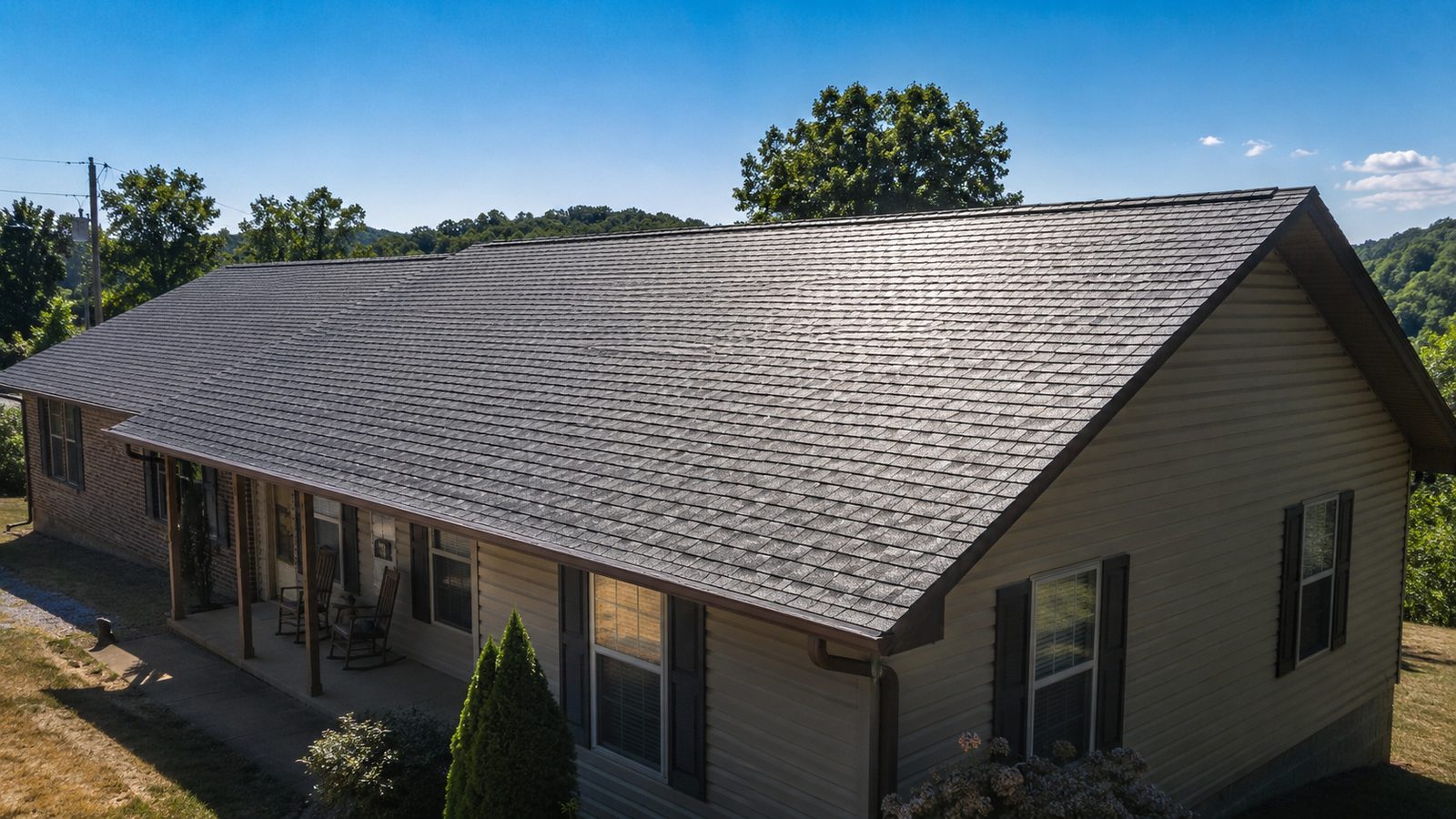
Summer heat doesn't usually wreck a roof overnight, but it wears one down over time. A dark shingle roof in direct western Kentucky sun runs far hotter than the air, and that daily heating and cooling slowly dries out the asphalt, loosens granules, and can blister older shingles. Good attic ventilation is your best defense.
How hot does your roof actually get in a western Kentucky summer?
Much hotter than the thermometer on your porch suggests. Air temperatures in this region climb into the mid-80s through summer, peaking around an average high near 89°F in late July, according to long-term climate data for the Paducah area. But the air temperature isn't what your shingles feel — direct sun pushes the roof surface itself well past that.
In a 10-year study by the U.S. Forest Products Laboratory, black fiberglass shingles reached a maximum temperature of about 155°F (68.2°C), while white fiberglass shingles topped out near 138°F (59.1°C) under the same conditions. Other building-science measurements have recorded dark shingles climbing as high as 168°F on the sunniest slopes. The takeaway: on a clear July afternoon here, the top of your roof can sit 60 to 80 degrees hotter than the air.
Now add humidity. Western Kentucky and northwest Tennessee don't just get hot — they get muggy, with sticky conditions present most of the day at the peak of summer. That heat soaks into the attic and lingers, and the moisture in the air gives mold and rot a foothold wherever a roof is already leaking or poorly vented.
What does all that heat do to your shingles?
It ages them. Asphalt shingles are designed to take heat, but years of extreme surface temperatures dry out the asphalt, weaken the mat underneath, and loosen the protective mineral granules on top. The damage is gradual, which is exactly why it's easy to miss until a leak shows up. Here's how summer heat breaks a roof down, step by step:
- Thermal cycling. The roof bakes during the day and cools at night, so the shingles expand and contract every single day. Over years, that constant movement makes the asphalt brittle and works cracks into older shingles — especially at the edges and where granules have already thinned.
- UV breakdown. The same sun that heats the roof also delivers ultraviolet rays that dry out the asphalt binder. As it dries, it gets stiff and loses the flexibility it needs to keep shedding water and surviving the next thermal cycle.
- Granule loss. Those tiny ceramic granules are the shingle's sunscreen. As the asphalt heats, swells, and stiffens, granules loosen and wash into the gutters with each rain. Bald spots leave the raw asphalt exposed, and from there the shingle ages fast.
- Blistering and buckling. Trapped moisture or gases in the shingle can expand in extreme heat and raise blisters that pop and leave pockmarks. A poorly ventilated, superheated attic makes this worse and can push shingles into buckling.
None of this means a panic. A healthy roof shrugs off a lot of summers. But a roof that's already 12 to 20 years old, or one that runs hot because the attic underneath it can't breathe, gives up years of its lifespan to heat it didn't have to.
Why does attic ventilation matter so much in summer?
Because it's the single biggest thing standing between your shingles and the heat. According to ENERGY STAR, natural airflow in a well-vented attic moves super-heated air out, helps protect the roof shingles, and removes moisture — while the insulation below resists heat soaking into your living space. Without that airflow, attic temperatures can climb past 130°F and cook the underside of your roof all afternoon.
A balanced system pulls cooler air in low at the soffits (the underside of your eaves) and lets the hottest air escape high at the ridge. When that path is blocked — by insulation stuffed into the eaves, painted-over vents, or simply too few vents — the heat has nowhere to go. The result is a hotter roof, a harder-working air conditioner, and shingles that age before their time. Here's what good summer ventilation buys you:
| What ventilation does | Why it matters in a KY summer |
|---|---|
| Moves super-heated air out of the attic | Keeps shingles and decking cooler, slowing heat-related aging |
| Removes trapped moisture and humidity | Guards against mold, mildew, and rotted decking in our muggy climate |
| Lowers attic temperature | Eases the load on your air conditioner during peak heat |
| Protects the manufacturer's warranty | Most shingle warranties assume proper ventilation; poor airflow can void coverage |
If your upstairs rooms are always hot, your energy bills spike in July, or you've noticed your roof aging faster than it should, ventilation is the first thing worth checking. It's also one of the more affordable fixes a roofer can make. See our shingle roofing page for how we approach ventilation as part of a quality installation.
Does a metal roof handle summer heat better than shingles?
Generally, yes. Lighter, more reflective surfaces stay cooler in the sun than dark ones — in that same study, the white shingles peaked roughly 16°F cooler than the black. Metal takes that further: it reflects more sunlight than asphalt and sheds heat quickly once the sun moves off it, rather than holding it the way a dark shingle does. With a reflective finish, a metal roof runs noticeably cooler through a Kentucky summer.
Metal also doesn't dry out, blister, or shed granules the way asphalt does, so the summer wear-and-tear we've been describing simply doesn't apply the same way. That's a big part of why metal roofs last decades longer here. If you're weighing your next roof and summer heat is on your mind, our metal roofing page covers how standing seam holds up in this climate. For most homeowners, though, a well-ventilated architectural shingle roof handles our summers just fine — the key word is ventilated.
What summer roof problems should you watch for?
Look for the signs that heat is winning. You don't need to climb up there — most heat damage is visible from the ground with a good pair of eyes, from your gutters, or from inside the attic. Watch for these, and call a pro before they turn into a leak:
| Warning sign | What it usually means | What to do |
|---|---|---|
| Granules in the gutters or at downspouts | Shingles are losing their protective surface to heat and age | Get an inspection; widespread loss can signal end of life |
| Curling, cupping, or clawing shingle edges | Asphalt has dried out and lost flexibility | Have it assessed — often a sign the roof is aging out |
| Cracked or blistered shingles | Thermal cycling and trapped heat; common on older roofs | Spot repairs may help; widespread cracking means replacement |
| An attic that's brutally hot or stuffy | Poor ventilation cooking the roof from below | Add or clear vents before the heat shortens the roof's life |
| Higher-than-normal summer cooling bills | Heat soaking into the house through the attic | Check insulation and ventilation together |
The best time to catch all of this is late summer into early fall, once the worst heat has done its work but before fall rain and winter weather arrive. A quick inspection then keeps a tired-but-fine roof from becoming a leaking one. When in doubt, call us — free inspections, straight answers, and no pressure to replace a roof that still has good years left.
Frequently asked questions
Can summer heat really damage my roof?
Yes. A dark shingle roof in direct summer sun gets far hotter than the air around it, and that daily heating and cooling slowly dries out the asphalt, loosens the protective granules, and can blister or crack older shingles. Heat rarely ruins a roof overnight, but over years it shortens its lifespan — especially without good attic ventilation to let the heat escape.
How hot does a roof get in the summer in Kentucky?
On a hot, sunny western Kentucky afternoon, the surface of a dark asphalt roof can sit well above 140°F even when the air is only in the mid-80s to low 90s. A 10-year U.S. Forest Products Laboratory study measured black fiberglass shingles peaking near 155°F. The attic underneath can climb past 130°F without proper ventilation.
Does attic ventilation help in the summer?
It helps a lot. According to ENERGY STAR, a well-vented attic moves super-heated air out, helps protect the roof shingles, and removes moisture. That lowers the temperature your shingles and decking sit at all summer, eases the load on your air conditioner, and helps your roof reach its full expected lifespan instead of aging out early.
Does a metal roof stay cooler than shingles in the heat?
A metal roof reflects more sunlight than dark asphalt and sheds heat quickly once the sun moves off it, so it generally runs cooler through a Kentucky summer — especially with a reflective finish. Lighter, more reflective surfaces stay cooler than dark ones across the board; in the same Forest Products Laboratory study, white shingles peaked roughly 16°F cooler than black.
Should I get my roof inspected after a hot summer?
It's a smart habit, especially for roofs over about 12 years old. A late-summer or early-fall inspection catches heat-related wear — curling edges, bald spots where granules have washed off, cracked or blistered shingles — before fall rain and winter weather turn small problems into leaks. Fit Roofing offers free, no-pressure inspections across western Kentucky and northwest Tennessee.
Need a roof you can trust?
Free, no-pressure inspections across western Kentucky & northwest Tennessee.
Call 270-348-7663