
Why Attic Ventilation Makes Your Roof Last Longer
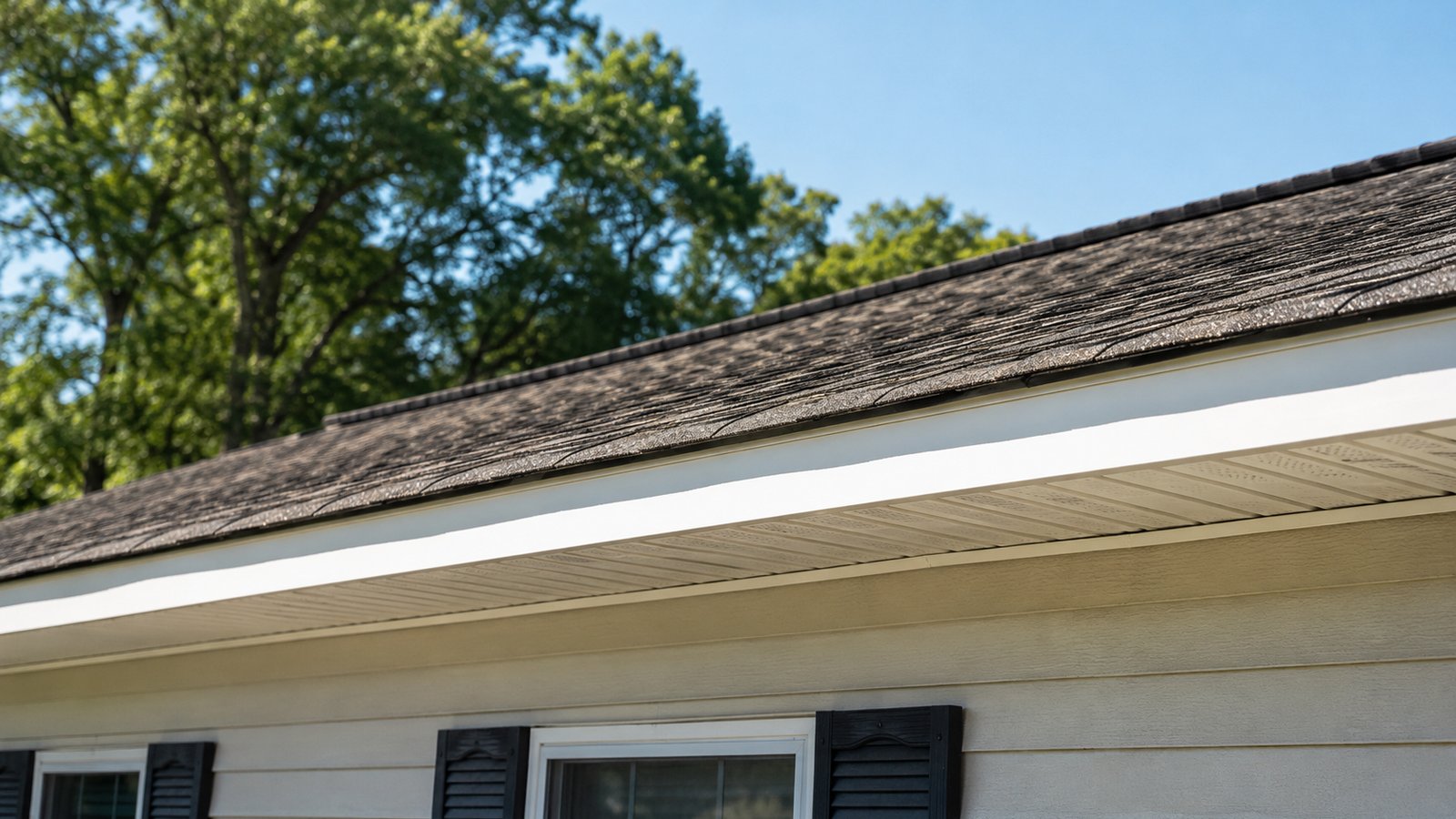
Attic ventilation makes a roof last longer by letting heat and moisture escape instead of trapping them against the underside of your roof. In summer, cooler air keeps shingles and decking from baking; in winter, dry airflow stops condensation and ice dams. According to ENERGY STAR, a well-vented attic moves super-heated air out and protects the roof shingles.
How does attic ventilation help a roof last longer?
It gives heat and moisture somewhere to go. Your attic is the space between your living area and your roof deck, and without airflow it turns into a trap. In summer it fills with super-heated air that cooks the underside of your shingles; in winter it holds warm, damp air that condenses on cold wood. Ventilation moves that air out before it does damage. As the building-envelope association IIBEC puts it, lowering attic temperature helps "optimize the service life of a roof covering."
Here's what a balanced ventilation system actually does for the roof over your head:
- Keeps shingles and decking cooler in summer. ENERGY STAR notes that natural airflow in a well-vented attic "moves super-heated air out of the attic, protecting roof shingles and removing moisture." Cooler shingles dry out and lose granules more slowly, so they hold up closer to their full rated life.
- Pulls moisture out in winter. Cooking, showers, and everyday living push moisture up into the attic. Steady airflow carries it out before it condenses on the decking, where it would otherwise feed mold and rot the wood your shingles are nailed to.
- Fights ice dams. On our occasional hard-freeze days, a cold, well-vented attic keeps the roof deck cold. ENERGY STAR points out that this "reduces the potential for ice damming." That's snow melting off a too-warm roof and refreezing at the gutters, which can pry up shingles and force water back under them.
- Protects the whole roof system. Less trapped heat and moisture means less stress on the shingles, the underlayment, the decking, and even the framing. The roof ages as one healthy system instead of failing early from the inside out.
Good ventilation is part of a quality install, not an add-on. It's one of the things we set up correctly on a new roof. See our shingle roofing page for how we approach it.
What does poor attic ventilation do to your roof?
It ages the roof from the inside out. When hot, moist air has nowhere to escape, it sits against the decking and the back of your shingles day after day. GAF, one of the largest shingle manufacturers, notes that asphalt shingles installed over an unvented attic run hotter than those over a vented one, and that extra heat can oxidize and age the shingles faster. The wear is slow and hidden, which is exactly why so many homeowners never connect an early roof failure to the attic underneath it.
Left unaddressed, a poorly vented attic tends to cause the same cluster of problems:
- Shingles that age early: curling, blistering, and granule loss show up years before they should.
- Rotted or delaminating decking: condensation soaks the plywood under your shingles, weakening the surface everything is fastened to.
- Mold and mildew: our humid climate gives it a foothold anywhere warm, damp air stalls out.
- Rusty nails and damp insulation: moisture condenses on metal fasteners and mats down insulation, so it stops doing its job.
- Higher energy bills: a superheated attic radiates into the house and makes your air conditioner work harder all summer. (For more on that, see our post on summer heat and your roof.)
None of this happens overnight. But a roof that runs hot and damp for years quietly gives up seasons of its lifespan, and the fix is almost always cheaper than the early replacement it prevents.
How much attic ventilation does your roof actually need?
The rule of thumb comes straight from the building code: at least 1 square foot of net free vent area for every 150 square feet of attic floor. That ratio can be cut to 1 per 300 when the intake and exhaust are balanced and a vapor retarder is in place, which is the split most homes are built to. The Asphalt Roofing Manufacturers Association (ARMA) and IIBEC both point to these same figures from the International Residential Code.
"Net free area" just means the actual open area air can pass through, after the vent's screen or louvers are subtracted. A vent's opening is always smaller than the hole it covers. The number that matters more than the exact ratio, though, is balance: air has to come in low and go out high, or it won't move at all.
| Requirement | What it means | Source |
|---|---|---|
| 1 sq ft of vent per 150 sq ft of attic | The baseline minimum net free vent area for the attic floor | International Residential Code (R806.2) |
| 1 sq ft per 300 sq ft (allowed) | Permitted when intake/exhaust are balanced and a vapor retarder is used | IRC / ARMA |
| About 40 to 50% of vents up high | Exhaust within about 3 feet of the ridge, vertically | IRC / IIBEC |
| Remaining 50 to 60% down low | Intake in the bottom third of the attic, at the soffits or eaves | IRC / IIBEC |
In plain terms: you want roughly half your ventilation pulling cool air in at the eaves and half letting hot air out near the peak. A ridge full of powered fans does no good if the soffits are painted shut or stuffed with insulation, because the air has nowhere to enter. Balance beats brute force every time.
What are the signs your attic isn't venting like it should?
Most of the warning signs are things you can spot without climbing on the roof. Take a look in the attic on a hot afternoon and a cold morning, check your gutters, and watch your energy bills. These are the tells we see most often on homes with a ventilation problem:
| What you notice | What it usually means |
|---|---|
| Attic is brutally hot and stuffy in summer | Heat is trapped and baking the roof from below |
| Frost, damp wood, or a musty smell in winter | Moisture is condensing on the decking instead of venting out |
| Dark mold spots or staining on the underside of the roof | Trapped humidity has been sitting long enough to grow |
| Rusty nail tips poking through the decking | Condensation is collecting on the metal fasteners |
| Shingles curling or losing granules early | Heat trapped underneath is aging them ahead of schedule |
| Upstairs rooms and cooling bills that spike in July | Attic heat is radiating down into the house |
Any one of these on its own might be minor. Two or three together usually means the attic can't breathe, and it's worth having someone look before the next round of heat or the next cold snap adds to the damage.
Does attic ventilation affect your shingle warranty?
It can. Most asphalt shingle manufacturers write their warranties assuming the roof is properly ventilated, because they know poor airflow shortens shingle life. When an attic runs hot and moist enough to cook shingles from below, it can complicate or reduce a warranty claim, because it gets hard to separate a genuine product defect from damage the ventilation caused. The specifics vary by manufacturer, so it's worth reading your warranty or having a roofer confirm your attic meets code.
The bigger point is simpler: ventilation is cheap insurance. Getting it right protects the roof, protects the warranty behind it, and keeps your air conditioner from fighting a losing battle all summer. If you're not sure whether your attic is set up correctly, that's exactly the kind of thing we check. Free, no pressure, and no push to replace a roof that still has good years left.
Frequently asked questions
Does attic ventilation really make a roof last longer?
Yes. Ventilation lets super-heated, moist air escape the attic instead of baking the underside of your roof all summer and condensing on the decking in winter. ENERGY STAR notes that a well-vented attic moves super-heated air out and protects the roof shingles. Cooler, drier decking and shingles simply age slower and reach their full expected lifespan.
How much attic ventilation does my roof need?
Building codes call for at least 1 square foot of net free vent area for every 150 square feet of attic floor, which can drop to 1 per 300 when intake and exhaust are balanced and a vapor retarder is used. The key is balance: roughly half the vents low at the soffits and half high near the ridge so air can flow through.
What are the signs of poor attic ventilation?
A brutally hot attic in summer, frost or damp wood on the underside of the roof in winter, a musty smell, mold spots on the decking, and rusty nail tips are the common tells. Outside, shingles that curl, blister, or lose granules early can point to heat trapped underneath. High summer cooling bills are another clue.
Can bad ventilation void my shingle warranty?
It can affect coverage. Most asphalt shingle manufacturers assume the roof is properly ventilated, and inadequate airflow that cooks the shingles from below can complicate or reduce a warranty claim. Check your specific manufacturer's requirements, or have a roofer confirm your attic meets code. Proper ventilation protects both the roof and the paperwork behind it.
Is adding attic ventilation expensive?
It's usually one of the more affordable roofing fixes. Adding or clearing soffit vents and putting a proper ridge or exhaust vent on is far cheaper than the replacement you'd face if trapped heat and moisture age the roof out early. The exact cost depends on your attic and roof, so it's worth a free inspection.
Need a roof you can trust?
Free, no-pressure inspections across western Kentucky & northwest Tennessee.
Call 270-348-7663