
Fall Roof Maintenance Checklist for Kentucky & Tennessee Homes
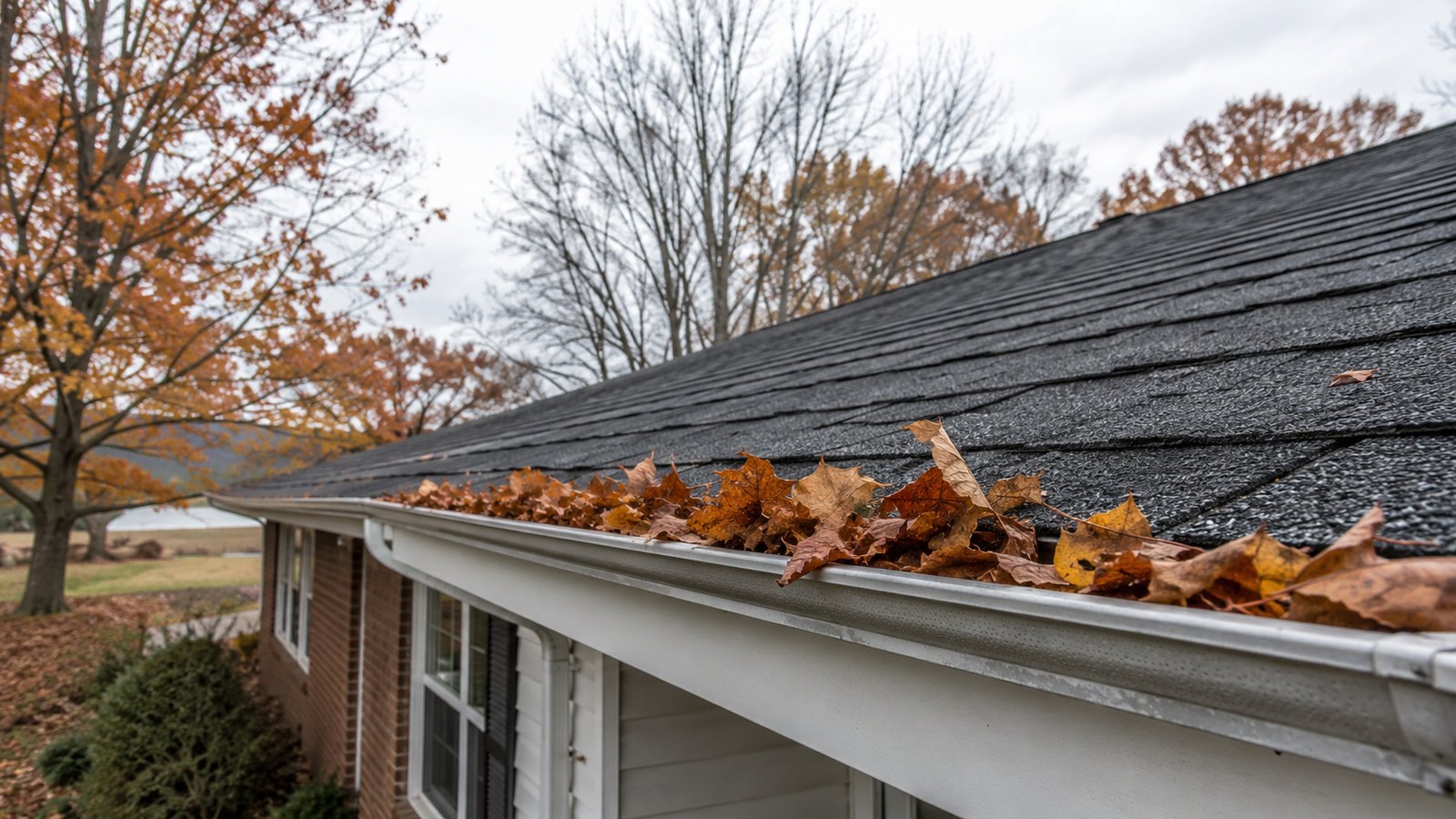
A good fall roof maintenance checklist covers five things: clean the gutters and downspouts, clear leaves and debris off the roof, check the shingles for damage, inspect the flashing and seals around chimneys and vents, and look inside the attic for leaks or moisture. Do it before the first freeze so small problems get fixed while the weather still cooperates.
Why does fall roof maintenance matter in Kentucky and Tennessee?
Because fall is your last easy chance to fix things before winter makes them worse. Your roof spends the summer baking, and it is about to face cold rain, wind, and the occasional ice storm. Catching a lifted shingle or a clogged gutter now, while it is still dry and warm enough to work, keeps a $200 fix from turning into a $2,000 leak in January.
Timing matters here. The National Weather Service office in Paducah reports that the average first fall freeze in western Kentucky lands around October 26, though it has arrived as early as October 3. That gives you a clear deadline: get the roof squared away in September or early October, before frost and cold rain move in. The National Roofing Contractors Association (NRCA) recommends a professional roof inspection twice a year, in spring and fall, plus after any major storm, for exactly this reason.
Our region also swings hard between seasons. Warm, wet fall days feed leaf litter and moss in shaded valleys, and then the first freeze arrives fast. A roof that goes into winter with full gutters and a small unaddressed gap is a roof that finds a way to leak.
What should be on your fall roof maintenance checklist?
Five jobs cover most of what goes wrong. Work through them in order, and note anything you can't safely reach so a roofer can handle it. Here is the checklist we walk through on our own fall inspections:
- Clean the gutters and downspouts. Scoop out leaves and grit, then flush with a hose to confirm water runs all the way through. This Old House recommends clearing gutters at least twice a year, once in fall and once in spring. Clogged gutters are the number-one cause of avoidable winter roof damage.
- Clear debris off the roof itself. Leaves, sticks, and pine needles trap moisture against the shingles and clog the valleys where two roof planes meet. Use a roof rake or a leaf blower from a ladder. Never climb a steep or wet roof to do it.
- Check the shingles. From the ground with binoculars, look for shingles that are cracked, curled, lifted, or missing, and for bare spots where the protective granules have washed away. These are the openings wind-driven rain uses to reach the wood underneath.
- Inspect the flashing and seals. Flashing is the metal that seals the joints around chimneys, skylights, and vent pipes. Look for rust, gaps, or lifted edges, and for cracked rubber boots around plumbing vents. These joints are the most common leak points on almost any roof. If yours needs work, see our chimney and flashing repair page.
- Look inside the attic. On a bright day, check the underside of the roof for daylight, water stains, damp insulation, or a musty smell. Attic clues often show up long before you see a stain on a ceiling downstairs.
Trim back any branches hanging over the roof while you're at it. Overhanging limbs drop debris into the gutters all winter and give squirrels a bridge onto the roof. A little pruning in the fall saves a lot of cleanup later.
How do clogged gutters cause roof damage over winter?
Clogged gutters back water up under the edge of the roof, and in winter that trapped water freezes and works its shingles loose. When leaves and grit block the flow, rain overflows the back of the gutter and soaks the fascia and soffit, the wood trim along your eaves. Over a wet fall that wood starts to rot. Then the first freeze turns any standing water to ice, which can lift shingles and force melt-water back under them.
This is also how ice dams form. When a roof edge stays cold and clogged while the center of the roof runs warm, snow melts up high, runs down, and refreezes at the eaves, damming water behind it. Good attic ventilation is the other half of preventing that, which we cover in our post on why attic ventilation makes your roof last longer.
The repair costs stack up quickly once water gets into the trim. Here's a rough picture of what neglected gutters lead to:
| Problem | What causes it | Directional repair cost |
|---|---|---|
| Clearing a clogged or blocked gutter run | Leaves and debris left over the fall | About $160 to $400 |
| Water-damaged soffit or fascia | Overflowing gutters rotting the eave trim | About $10 to $23 per linear foot |
| Rotted decking or an interior leak | Water reaching the wood or getting inside | Far more — needs a roofer |
Cost figures are 2025 national HomeAdvisor ranges, directional only — local pricing varies. The point is the pattern: a free afternoon clearing gutters heads off the expensive repairs below it.
What can you check yourself, and when should you call a roofer?
You can safely handle the ground-level and ladder work: clearing gutters, checking downspouts, scanning the roof with binoculars, and inspecting the attic. What you should leave to a pro is anything that means walking the roof, especially once it's wet, frosty, or steep. Falls are the real hazard in the fall, and no gutter is worth a trip to the emergency room.
Call a roofer when you see missing or badly damaged shingles, rusted or lifted flashing, sagging gutters, any sign of water in the attic, or if your roof is simply too steep to inspect safely from a ladder. A professional inspection also catches the subtle wear an untrained eye misses, like nail pops or worn sealant, before it becomes a leak. If you'd rather not climb around at all, that's exactly what a fall inspection is for — and ours are free, with no pressure to replace a roof that still has good years left. Learn more about our shingle roofing and repair work.
Get the checklist done before the first freeze and you head into winter with a roof that can handle whatever the season throws at it. Miss it, and you find out about the weak spots the hard way, usually during the coldest, wettest week of the year.
Frequently asked questions
When should I do fall roof maintenance in Kentucky and Tennessee?
Aim to finish before the first hard freeze. In western Kentucky, the National Weather Service in Paducah puts the average first fall freeze around October 26, though it has landed as early as October 3. Getting your gutters cleared and any loose flashing or shingles fixed in September or early October leaves a comfortable cushion before the cold sets in.
How often should I have my roof professionally inspected?
The National Roofing Contractors Association recommends a professional inspection twice a year, in spring and fall, plus after any significant storm. Spring catches winter damage; fall makes sure the roof is ready for the cold. Between those, a quick look from the ground after big wind or hail helps you spot trouble early, while repairs are still small.
Can I clean my own gutters and inspect my own roof?
You can handle a lot from the ground or a stable ladder: clearing gutters, checking downspouts, and scanning the roof with binoculars. What you should not do is walk a steep, wet, or frosty roof. Falls are the real danger this time of year. If checking something means getting up on the roof itself, that is when to call a roofer.
What happens if I skip fall roof maintenance?
Small problems get bigger and more expensive over winter. Clogged gutters overflow and rot the fascia; a lifted shingle lets wind-driven rain reach the decking; a gap in the flashing turns into a slow leak you find as a ceiling stain in January. Fall maintenance is cheap insurance against emergency repairs during the worst weather of the year.
How much does it cost to fix roof damage I catch in the fall?
Small fixes caught early are usually modest. Water-damaged soffit and fascia, often the result of neglected gutters, runs roughly $10 to $23 per linear foot to repair, according to 2025 HomeAdvisor data. That is far less than replacing rotted decking or chasing an interior leak later. Catching issues in the fall is almost always cheaper than fixing storm-season damage.
Need a roof you can trust?
Free, no-pressure inspections across western Kentucky & northwest Tennessee.
Call 270-348-7663