Metal Roofing in Kentucky's Heat: Does It Really Stay Cooler?
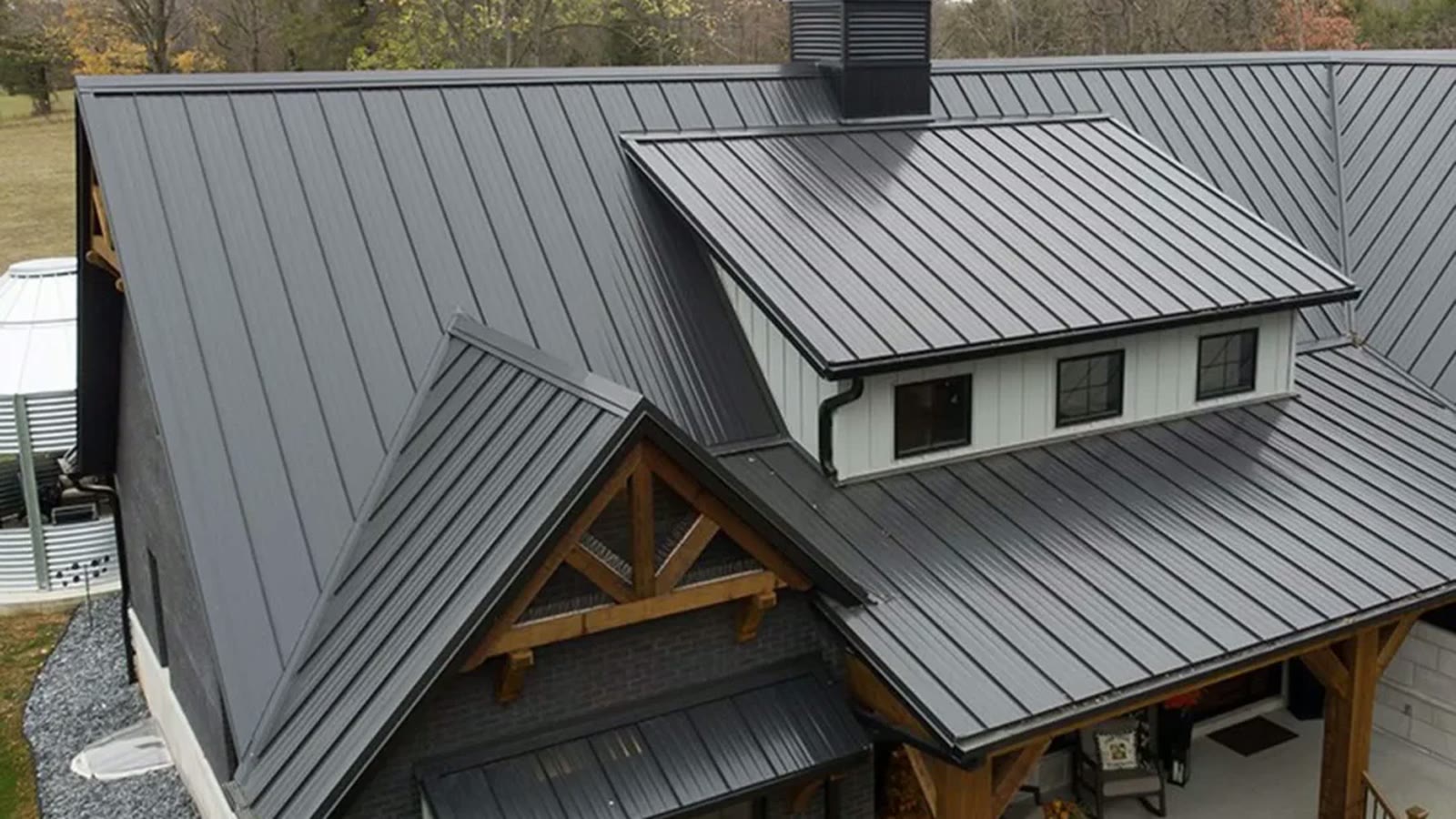
Yes and no. A bare, dark metal panel can get just as hot in the sun as dark shingles, so metal isn't automatically cooler. What makes a metal roof beat shingles is that it reflects more sun when it's coated, sheds the heat it does absorb quickly, and keeps far less of it out of your attic. That's what lowers your cooling bill in a Kentucky summer.
Does a metal roof really stay cooler than shingles?
Where it matters, yes. The honest catch is that "cooler" depends on what you measure. Set a plain, dark metal panel and a dark asphalt shingle out in a July sun and both surfaces will read scorching hot. Metal doesn't magically stay cool just because it's metal. The difference is what happens next: metal has very little mass, so it heats fast but also dumps that heat fast once the sun moves off it, while shingles hold heat and keep radiating it into your attic well into the evening.
The bigger lever is reflectance. A dark shingle roof reflects only about 5 to 20 percent of the sunlight that hits it, according to the EPA, so it soaks up nearly all of it. A light or "cool"-coated roof reflects roughly 55 to 90 percent. Metal takes a coating well, which is why a reflective metal roof can bounce most of the sun off before it ever becomes heat you have to pay to remove. The Metal Roofing Alliance notes that a highly reflective, highly emissive metal roof can re-emit up to 90 percent of the solar radiation it absorbs.
| Roof surface | Sunlight reflected | What that means in July |
|---|---|---|
| Dark asphalt shingles | ~5 to 20% | Soaks up most of the sun and holds heat into the evening |
| Light or "cool"-coated roofs | ~55 to 90% | Bounces most of the sun back off the surface |
| Reflective, emissive metal | High, plus re-emits up to 90% of absorbed heat | Reflects the sun and quickly sheds what it does absorb |
So the fair answer to "does it stay cooler" is that a reflective metal roof keeps far more heat out of your home than shingles do, even when the surface temperatures aren't that different. That's the number that shows up on your power bill.
Why does a metal roof stay cooler — the metal or the coating?
Mostly the coating, plus how the roof is built. Three things do the real work, and only one of them is "it's metal":
- The reflective coating. Cool-pigment coatings are engineered to reflect sunlight, including in the invisible infrared range, so even a medium-toned metal roof can reflect far more heat than plain paint. This is the single biggest factor, and it's why a rated cool coating beats simply picking a light color.
- Low thermal mass. Metal is thin and holds almost no heat, so it cools off within minutes of the sun leaving it. A shingle roof and the decking under it stay warm for hours, which is why upstairs rooms feel stuffy long after sunset.
- How it's installed. Many metal roofs go on over battens or a vented underlayment, leaving a small air gap that blocks a lot of heat from ever reaching your decking. Pair that with a properly vented attic and the heat that does get through has somewhere to go.
That last point is the one homeowners miss. A great reflective roof over a sealed-up, unvented attic still bakes, because the trapped heat has nowhere to escape. We cover that in our post on why attic ventilation makes your roof last longer — the roof and the attic work as a system. If you want the details on how we build and coat metal systems for this climate, our metal roofing page lays it out.
How much can a metal roof cut your cooling bill in western Kentucky?
Enough to notice, but treat every number as a range. The Metal Roofing Alliance says an energy-efficient metal roof may save you up to 10 to 40 percent in energy costs. The EPA reports that the solar reflectance of a cool roof can reduce peak cooling demand by 11 to 27 percent in air-conditioned homes. State Farm puts the potential savings from a metal roof at around 40 percent on the high end. Where your home lands in those ranges depends on your coating, attic insulation, ductwork, and how hard your AC was already working.
| What the research shows | Figure | Source |
|---|---|---|
| Peak cooling demand cut by a reflective cool roof | 11 to 27% | U.S. EPA |
| How much cooler a reflective surface runs vs a dark one | About 50°F | LBNL Heat Island Group |
| Energy-cost savings from an energy-efficient metal roof | Up to 10 to 40% | Metal Roofing Alliance |
| Metal roof lifespan vs asphalt shingles | 40 to 80 yrs vs ~20 yrs | State Farm |
That 50-degree figure is worth understanding. Lawrence Berkeley National Laboratory's Heat Island Group found that a highly reflective roof surface stays about 50°F cooler in full sun than a dark, low-reflectance one. It's about reflectivity, not metal specifically — but metal is one of the easiest materials to give that reflective, long-lasting coating. In our long western-Kentucky cooling season, that reflected heat adds up month after month.
Which metal roof colors and coatings stay coolest?
Light colors help, but the coating matters more. A white or light-gray metal roof will reflect more raw sunlight than a dark one, no surprise. The part people don't expect is that a cool-pigment coating can make a medium bronze or even a darker metal roof reflect nearly as much heat as a light roof would, because those pigments are tuned to bounce back the infrared part of sunlight you can't see. So you don't have to choose a bright white roof to get the cooling benefit.
When cooling is the priority, ask for these:
- A rated reflective or ENERGY STAR coating, not just a light paint color. Look for a published solar reflectance and thermal emittance number.
- A lighter or "cool" color if the look works for your home — it's a free head start on reflectivity.
- An air gap or vented install so heat is blocked before it reaches the decking.
- A properly vented attic underneath, because even the best roof can't fix trapped heat below it.
Color and curb appeal still matter, and you don't have to sacrifice the look you want. A good roofer can match a coating's performance to the color you actually like.
Is a metal roof worth it for the energy savings alone?
Usually not on energy savings by themselves. Metal costs more up front than asphalt — often two to three times as much — and the cooling-bill savings alone rarely pay that back on a short timeline. The real case for metal is the whole package. State Farm notes metal roofs can last 40 to 80 years, versus about a 20-year life for a typical asphalt roof, so one metal roof can outlast two or three shingle roofs. Add in strong storm and wind performance and lower maintenance, and the energy savings become a genuine bonus riding on top of a roof that simply lasts longer.
If you're weighing metal against shingles mainly to beat the heat, the smarter framing is comfort and longevity first, with cooling savings as part of the return. We'll give you a straight read on whether metal makes sense for your house and budget — no pressure to buy the most expensive option on the truck.
Frequently asked questions
Does a metal roof really stay cooler than shingles in the summer?
A reflective metal roof stays cooler where it counts — it keeps far less heat out of your house. A bare, dark metal panel can get just as hot on the surface as dark shingles, but metal sheds that heat fast instead of holding it, and a reflective coating bounces most of the sun away. That combination is what lowers your cooling load.
How much can a metal roof lower my cooling bill in western Kentucky?
The Metal Roofing Alliance says an energy-efficient metal roof may save up to 10 to 40 percent in energy costs, and the EPA reports a reflective cool roof can cut peak cooling demand by 11 to 27 percent. Your real savings depend on the coating, color, attic insulation, and ventilation, so treat those as ranges, not a promise.
Does the color of a metal roof matter for heat?
Yes, a lot. Light colors reflect more sun than dark ones, but the coating matters even more than the shade. Cool-pigment coatings let a medium or darker metal roof reflect far more heat than plain paint would. If summer cooling is your priority, ask for a roof with a rated reflective or ENERGY STAR coating, not just a light color.
Will a metal roof make my house colder in winter?
Not in a way you'll feel. What keeps a house warm in winter is attic insulation and air sealing, not the roof surface. A reflective roof reflects a little useful sun in January, but in our climate the long, hot cooling season outweighs the short heating penalty. Good insulation underneath matters far more than the roof color either way.
Is a metal roof worth the higher cost for the energy savings alone?
Rarely on energy savings alone — metal costs more up front than shingles. The real case is the full package: it can last 40 to 80 years versus about 20 for asphalt, sheds heat well, and holds up to our storms. Energy savings are a real bonus on top of that lifespan, not usually the reason on their own.
Thinking about a metal roof?
Free, no-pressure inspections and honest metal-vs-shingle advice across western Kentucky & northwest Tennessee.
Call 270-348-7663