
How to Choose a Roofing Contractor: 10 Questions to Ask First
By Fit Roofing
Choose a roofer by checking five things before you look at price: that the business is real and local, that it carries insurance, that it gives you a detailed written contract, that it has references you can call, and that it stands behind the work in writing. Ten questions below cover all of it.
Quick answer: Ask every roofer for proof of insurance, local references, a written scope with payment terms, and a written warranty. Get two or three detailed estimates. Walk away from anyone who demands full payment up front or pressures you to sign today.
Why does picking the right roofer matter so much?
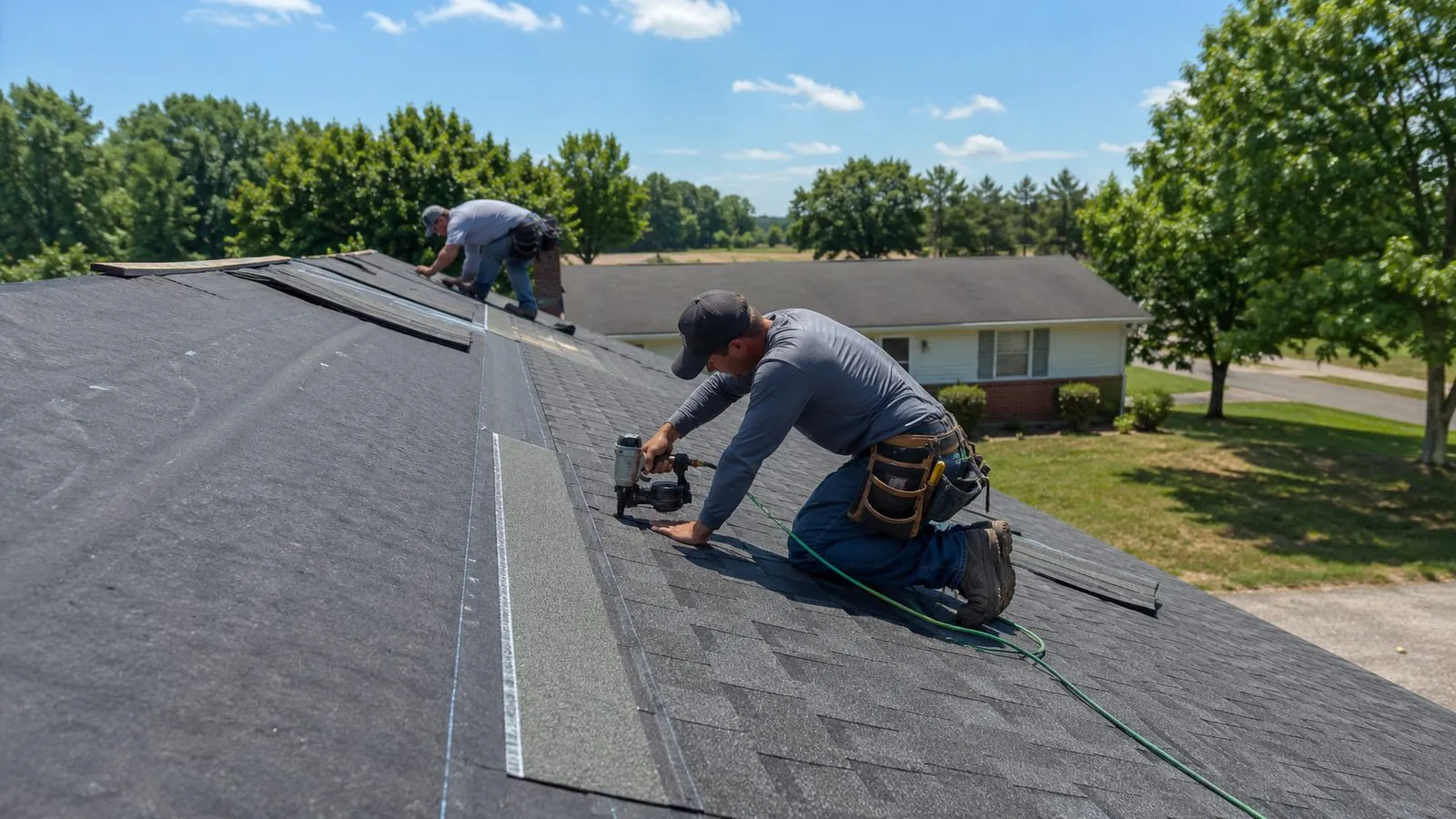
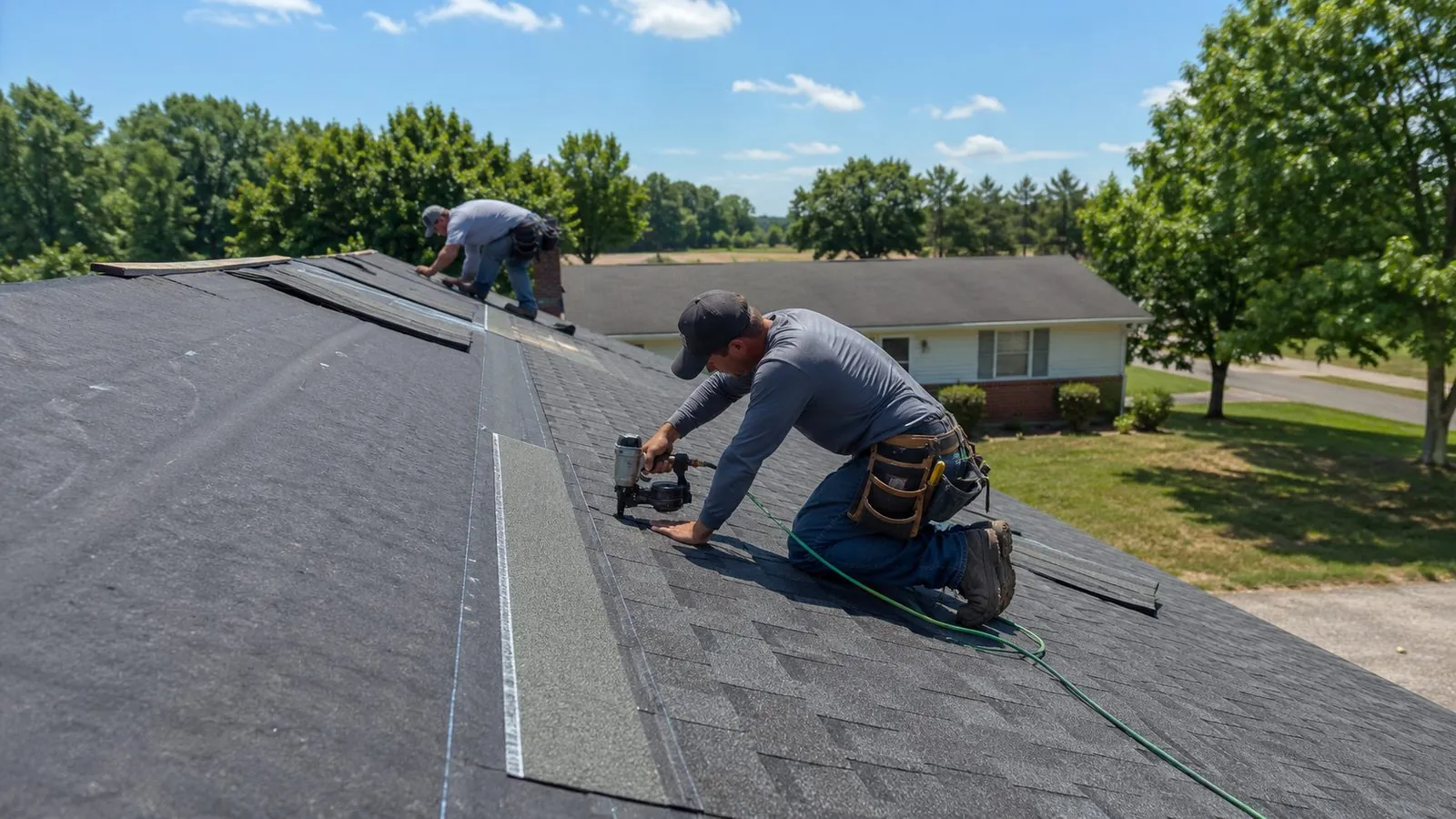
Because a roof is only as good as the crew that puts it on. The shingles or metal panels are the same product no matter who installs them. The flashing, the nailing, the underlayment, and the cleanup are where one crew and the next differ, and a mistake there shows up as a leak a year or two later, after the truck is gone.
The Insurance Institute for Business & Home Safety’s FORTIFIED program, working with the National Roofing Contractors Association, says price is only one factor and that professionalism and quality workmanship should weigh heavily. We agree. The cheapest bid usually leaves something out.
What are the 10 questions to ask a roofing contractor?
Here they are in the order we would ask them. Any roofer worth hiring will answer all ten without getting defensive.
- Are you licensed where my house is? Rules differ by city and county, so ask what applies here and ask to see it.
- Can you show me proof of insurance? Ask for liability coverage and, if the crew has employees, workers’ compensation. Get the certificate, not just a verbal yes.
- How long have you been in business, and where is your office? A permanent address, phone number, and tax ID are basic. IBHS and NRCA list all three.
- Can I call recent customers? Ask for references and a list of finished jobs nearby, then call two of them.
- What exactly does the estimate include? Tear-off, underlayment, flashing, vents, drip edge, dumpster, and cleanup should each be named.
- What brand and line of material are you quoting? “Architectural shingles” is not an answer. A product name is.
- Who pulls the permit, and who supervises the crew on site? IBHS suggests asking about project supervision and quality control.
- What are the payment terms? You want a schedule in writing, with the last payment due only when you are satisfied.
- What warranty do I get, and who honors it? Ask for the manufacturer warranty and the contractor’s own workmanship warranty as separate documents, and ask what could void either one.
- What happens if it rains or you find rotted decking? A good roofer has a plan for weather and a clear price for replacing bad plywood before it is a surprise.
How do I check a roofer’s license and insurance in Kentucky and Tennessee?
Start with your own city or county. As far as we can confirm, Kentucky has no statewide roofing license, according to a 2026 ServiceTitan licensing guide, which notes that some cities and counties, such as Louisville and Bowling Green, set their own requirements. Tennessee runs a state licensing board for home improvement work, and its license requirement is tied to project size and, for some tiers, to specific counties, so confirm what applies to your job with the Tennessee Department of Commerce and Insurance.
Because the rules are patchy, insurance does the heavy lifting. If an uninsured worker falls off your roof or a crew drops a bundle through your skylight, you do not want that question landing on your homeowners policy. Ask for the certificate and, if you like, call the insurer listed on it to confirm it is current.
Our roof inspection guide explains what a legitimate inspector should hand you afterward, which is a good test of a crew before you ever sign anything.
What should be in a written roofing contract?
Everything, including the things the roofer said out loud. The FTC’s advice after a disaster is to get a written estimate that includes all oral promises made, and to have a knowledgeable friend, relative, or attorney read the contract before you sign.
Look for these items:
| Item | Why it matters |
|---|---|
| Scope and materials by name | Stops a quiet downgrade in shingle line or underlayment |
| Start and finish dates | Gives you something to point to if the job drags |
| Payment schedule | Keeps you from paying for work that is not done |
| Permit, dumpster, and cleanup | Settles who does what before dirt and nails are everywhere |
| Decking replacement price | Avoids a surprise change order once the old roof is off |
| Warranty terms in writing | A spoken warranty is worth nothing after the crew leaves |
If you are weighing cost, our western Kentucky roof replacement cost guide shows what a fair range looks like so you can spot a bid that is too good to be true.
How much should I pay up front?
As little as is reasonable, and never the whole job. The FTC says to be wary of a contractor who wants the full fee up front, describes a one-third deposit as standard, and advises paying by check or credit card only after the job is completed to your satisfaction. The Kentucky Attorney General’s office goes further and tells homeowners to avoid paying a contractor in advance after a storm.
Never pay in cash. A check or card leaves a record you can dispute, and a pile of bills does not.
What are the red flags of a bad roofing contractor?
Pressure is the biggest one. The Kentucky Attorney General’s March 2023 consumer alert warns that out-of-town and unscrupulous contractors show up after storms, and that scammers push special pricing for hiring on the spot. Other warning signs from the same alert and the FTC:
- A knock on your door and a same-day price that expires tonight
- A demand for full payment, or a big check before any material is delivered
- A request that you sign your insurance check over, or sign a form giving the contractor rights to your claim
- No local address, only a phone number and a truck with out-of-state plates
- No written estimate, or one that is a single line with a total at the bottom
- Heavy pressure to spend a lot on temporary repairs
A storm brings out good roofers and bad ones, and the good ones are usually busy. If someone is rushing you, that is information.
What should I do once I have two or three estimates?
Line them up side by side and compare scope first, price second. If one bid is thousands lower, find what is missing: thinner underlayment, no drip edge, no cleanup, no allowance for bad decking. Then call the references on your shortlist, and ask each roofer to explain the project the way they would run it.
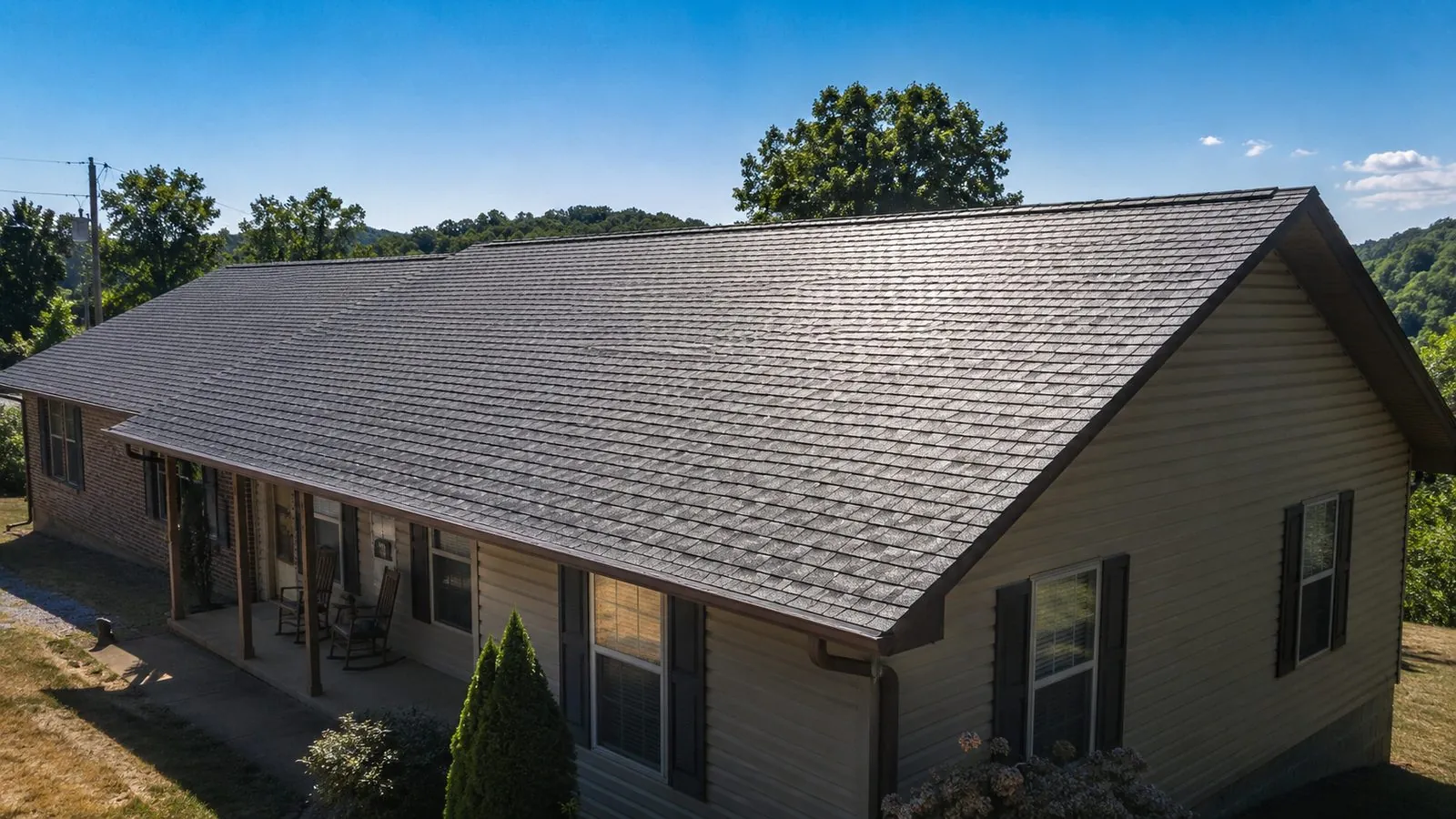
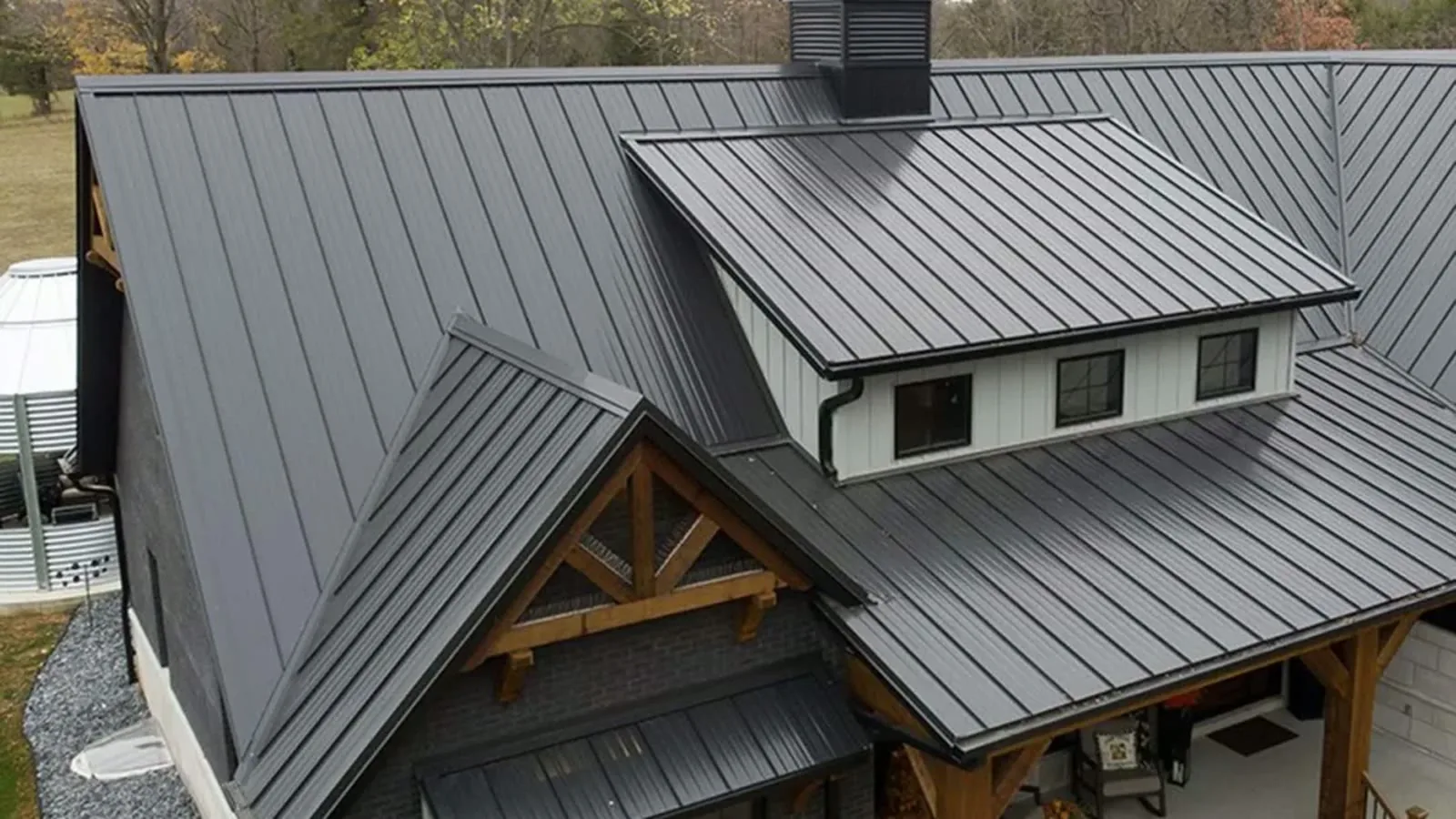
Erick personally inspects every completed roof and does not call a job done until the client is 100% satisfied. That is the standard to hold any roofer to. If you want a crew to walk your roof and give you a written estimate with no pressure, call 270-348-7663 or book a free inspection. You can also see our shingle roofing and metal roofing work before you decide.
Sources
- IBHS FORTIFIED (developed with NRCA), “How to Select a Roofing Contractor,” published December 3, 2021, modified February 8, 2022: https://fortifiedhome.org/article/how-to-select-a-roofing-contractor/
- Federal Trade Commission, “After a Disaster: Repairing Your Home” (undated; checked October 15, 2026): https://www.ftc.gov/node/41252
- Kentucky Attorney General, Consumer Alert on construction and repair scams after severe storms, March 8, 2023: https://content.govdelivery.com/accounts/KYAG/bulletins/34d60ba
- ServiceTitan, Kentucky roofing licensing guide, April 10, 2026: https://www.servicetitan.com/licensing/roofing/kentucky
- Tennessee Department of Commerce and Insurance, Home Improvement Licensing page (undated; checked October 15, 2026): https://tn.gov/commerce/regboards/hi
Questions
Frequently Asked Questions
Does Kentucky require roofers to be licensed?
As far as we can confirm, Kentucky has no statewide roofing license, according to a 2026 ServiceTitan licensing guide. Some cities and counties set their own license or permit rules, so call your local building or code office before you hire. Do not treat a missing state license as proof a roofer is vetted.
Should I pay a roofer money up front?
Be wary of anyone who wants the full price before work starts. The Kentucky Attorney General's office warns against paying a contractor in advance, and the FTC says a one-third deposit is the standard ask. Pay by check or credit card, never cash, and hold the final payment until you are satisfied.
How many roofing estimates should I get?
Get at least two or three written estimates for the same scope: same materials, same underlayment, same tear-off. Compare the line items, not just the bottom number. The lowest bid is not automatically the best deal, and the FTC advises against picking a contractor on price alone.
What should be in a roofing contract?
A full description of the work and materials, start and finish dates, payment terms, who handles permits and cleanup, and the warranty in writing. The FTC says to get every spoken promise written into the estimate. If a promise is not on paper, you cannot hold anyone to it.
Should I sign over my insurance check to a roofer?
No. The Kentucky Attorney General advises against signing insurance checks over to a contractor and against signing anything that hands a contractor rights to your claim. Pay the contractor directly, ideally by a method you can dispute if the work goes wrong.
Storm Or Planned, We've Got You
Roof emergency, or just planning ahead? Either way, one call fixes it.
Storm damage gets answered day or night. A new roof gets a straight, no-pressure estimate. Same crew, same standard, every time.