
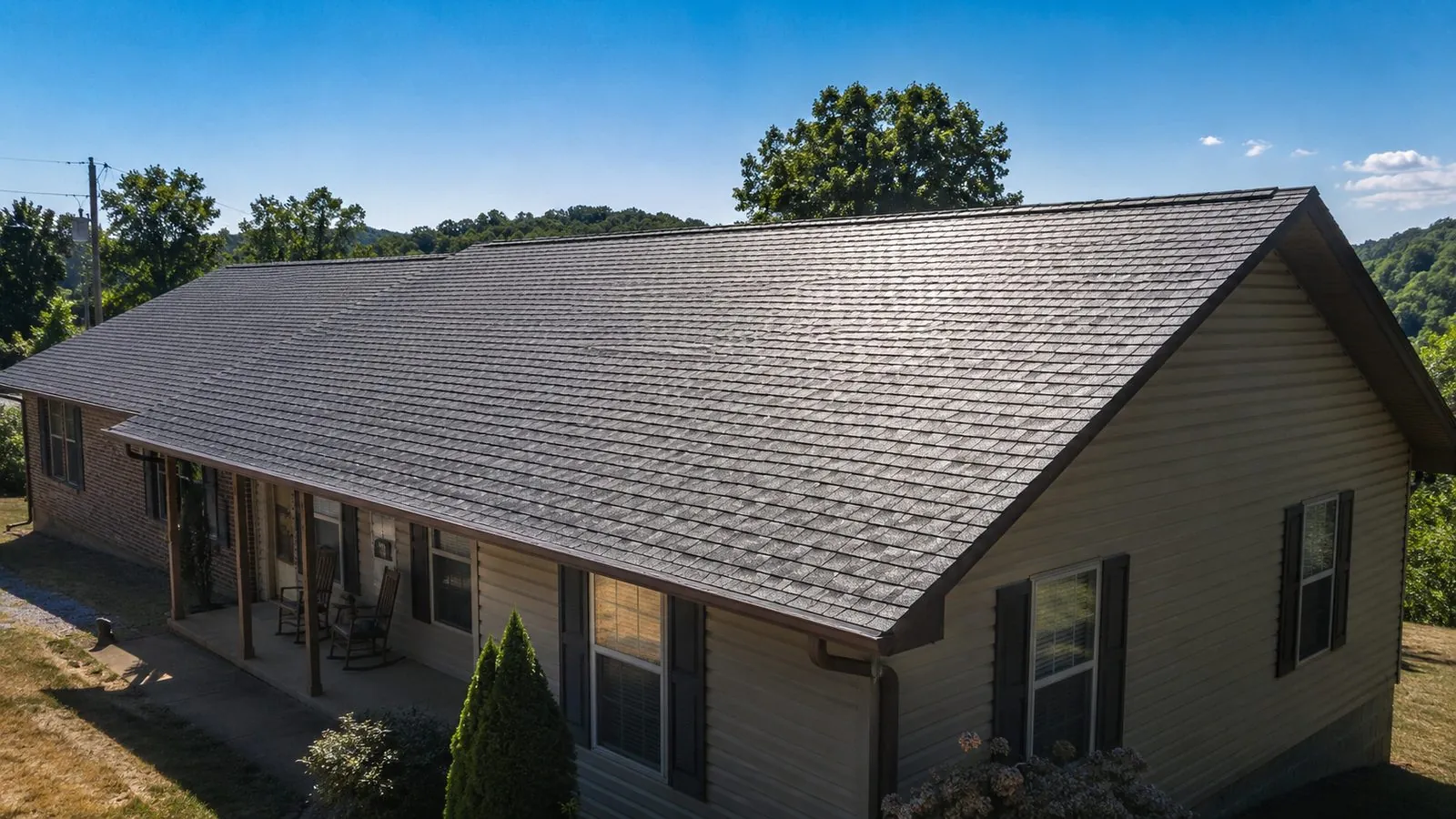
What Actually Happens During a Roof Inspection
By Fit Roofing
A real roof inspection means a trained person goes over your roof surface, your flashing, your gutters, and usually your attic, then gives you the findings in writing. It takes one to three hours for most homes. You come away knowing what shape the roof is in, what needs attention now, and what can wait.
Quick answer: An inspection checks the roof outside and the attic inside, takes about one to three hours, and should end with a written report with photos. Angi’s 2026 data puts the national average cost at $252, though many roofers inspect for free before they quote a job.
What does a roof inspector actually look at?
An inspector works through the roof in a set order: the outside, the roof’s weak spots, and then the inside. According to the National Roof Certification and Inspection Association (NRCIA), the process starts at ground level and then moves up a ladder to look at shingles, flashing, gutters, vents, and chimneys, searching for cracked or missing shingles, damaged flashing, and blocked gutters.
Here is what each part of the job covers.
| Area | What the inspector is looking for |
|---|---|
| Roof surface | Cracked, curling, or missing shingles, bare patches where granules have worn off, dents or lifted edges on metal |
| Flashing | Rust, gaps, or lifted metal around chimneys, skylights, vents, and wall joints |
| Gutters and drainage | Clogs, sagging runs, shingle grit in the downspouts |
| Penetrations | Cracked pipe boots, loose vent caps, failed sealant |
| Attic and ceilings | Water stains, mold, or rot on the underside of the decking, plus the state of insulation and ventilation |
| Structure | A sagging roof line, or soft, spongy spots where the wood underneath has weakened |
The first, second, fifth, and sixth rows follow the NRCIA’s published description of the process. The rest is what we would add from a working crew’s checklist. A good inspector will also tell you what they could not see, such as an attic with no access or a section too steep to walk safely.
Why does the attic matter as much as the roof?
Because the attic shows what the roof is doing to your house, not just how it looks. Shingles can look fine from the yard while the underside of the decking is stained from a slow leak. The NRCIA lists water stains, mold, and rot on the underside of the roof deck among the things inspectors check from inside the attic.
Ventilation gets a look here too. A hot, damp attic wears a roof out from below, which we cover in why attic ventilation makes your roof last longer. If your inspector skips the attic entirely, you got half an inspection.
How long does a roof inspection take?
Plan on one to three hours for most homes. The NRCIA says a typical inspection lasts one to three hours, depending on roof size, steepness, and complexity. HomeAdvisor’s 2026 cost guide gives a wider range, 45 minutes to four hours, depending on square footage, accessibility, materials, and whether the attic is included.
A small, low-slope ranch roof with easy attic access sits at the short end. A steep, multi-gabled roof with a chimney, two skylights, and a cramped crawl space to the attic sits at the long end.
What does a roof inspection cost?
For most homeowners, between $125 and $383. Angi’s 2026 data, drawn from 2,573 projects reported by Angi Pros, puts the national average at $252. These are national figures, so treat them as a ballpark rather than a Kentucky quote.
| Inspection type | Typical cost (Angi, 2026) |
|---|---|
| Physical (inspector on the roof or ladder) | $75 to $200 |
| Drone | $150 to $400 |
| Infrared | $400 to $600 |
| Attic inspection (add-on) | $200 to $500 |
| Roof certification (add-on) | $75 to $200 |
Many roofers inspect for free when you are considering repairs or a replacement, since the inspection is how they build an honest estimate. A paid inspection makes more sense when you need an independent opinion, a certification for a home sale, or a report for an insurance file. Fit Roofing offers free in-person roof inspections around Murray, Paducah, and the rest of western Kentucky, and the crew walks the roof before any number gets written down.
What should you get after the inspection?
You should get findings in writing, not just a conversation at the truck. The NRCIA describes the report as detailed findings with photos, prioritized repair recommendations, a condition assessment, and an expected-lifespan estimate.
Here is a quick test for whether you got a useful report:
- Photos of every problem the inspector names. If they say the flashing is bad, you should see the flashing.
- Problems ranked by urgency. Active leaks come first. Worn shingles that have a few good years left come last.
- A plain statement of the roof’s remaining life. A rough range is fine. A guess dressed up as precision is not.
- Repair and replacement options, if either applies. If the roof needs only a repair, the report should say so.
- What the inspector could not check. Honest reports admit their limits.
Erick personally inspects every completed roof and does not call a job done until the homeowner is 100% satisfied, so a roofer who stands behind the work will not be nervous about handing you a written record.
When should you schedule a roof inspection?
Fall is a good time, and right now is a good time. Cold-weather leaks are miserable to chase, and an inspection in October lets you fix a flashing gap or replace a few shingles before winter weather sets in. Our fall roof maintenance checklist covers what you can check yourself from the ground.
One roofing trade guide, the Roofing Almanac (June 2026), suggests a look in spring and fall, plus extra checks after hail of about dime size or larger or winds over 50 mph. For roofs past 20 years old, it suggests a professional inspection every year. That is one source’s rule of thumb rather than a code or a manufacturer requirement, but it matches what makes sense for an aging roof.
Other good times to schedule one:
- After a hailstorm or high-wind event, even if nothing looks wrong from the ground
- Before you buy or sell a home
- When you see water stains on a ceiling, granules in the gutters, or daylight in the attic
Please do not climb up there yourself to save the cost. A wet or steep roof is how homeowners end up in the emergency room. Walk the ground with binoculars, check the attic with a flashlight, and leave the roof to a crew with the harnesses and the training.
What is the inspection really for?
It is for making a decision with real information. Sometimes the answer is that you have another ten years and should keep an eye on a vent boot. Sometimes it is a repair. Sometimes it is a replacement, and you will want to know what a replacement costs in western Kentucky before you talk to anyone. Whichever it is, a good inspection gets you the answer without a hard sell.
If you want a crew to walk your roof and tell you straight, call 270-348-7663 or book through the free inspection page. You can also read about our shingle roofing work if the roof turns out to be at the end of its life.
Sources
- Angi, “How Much Does a Roof Inspection Cost? [2026 Data],” updated September 23, 2026: https://www.angi.com/articles/how-much-does-roof-inspection-cost.htm
- HomeAdvisor, “How Much Does a Roof Inspection Cost?” data updated June 19, 2026: https://www.homeadvisor.com/cost/inspectors-and-appraisers/hire-a-roof-inspector/
- National Roof Certification and Inspection Association (Paul Watrous), “Professional Roof Inspection: A Homeowner’s Guide,” December 4, 2025: https://www.nrcia.org/professional-roof-inspection-guide/
- Roofing Almanac (Chris Lee), “How Often Should You Inspect Your Roof?” June 9, 2026: https://www.roofingalmanac.com/blog/how-often-inspect-roof/
Questions
Frequently Asked Questions
How long does a roof inspection take?
Most take one to three hours, according to the National Roof Certification and Inspection Association. HomeAdvisor gives a wider range of 45 minutes to four hours. Roof size, pitch, how easy the roof is to reach, and whether the attic is included all move the number.
How much does a roof inspection cost?
Angi's 2026 data puts the national average at $252, with most homeowners paying $125 to $383. A basic physical inspection runs $75 to $200, drone work $150 to $400, and infrared $400 to $600. Many roofers inspect a storm-damaged or aging roof for free before quoting, so ask before you pay.
Do I need to be home for a roof inspection?
Not for the outside of the roof, but it helps to be there if the inspector needs to check the attic or ceilings. Being present also lets you ask questions on the spot and see the photos of any problem areas while the inspector is still standing in front of them.
What should I get after a roof inspection?
A written report with photos of any problem areas, a plain description of the roof's condition, and prioritized recommendations, ideally with a rough idea of how much life the roof has left. If all you get is a verbal 'it's fine' or a sales pitch, ask for the findings in writing.
When should I get my roof inspected?
Fall is a good time in western Kentucky, before winter weather arrives, and again in spring. Add one after any hailstorm or high-wind event, and before buying or selling a home. Older roofs deserve a closer look more often, since small problems turn into leaks faster.
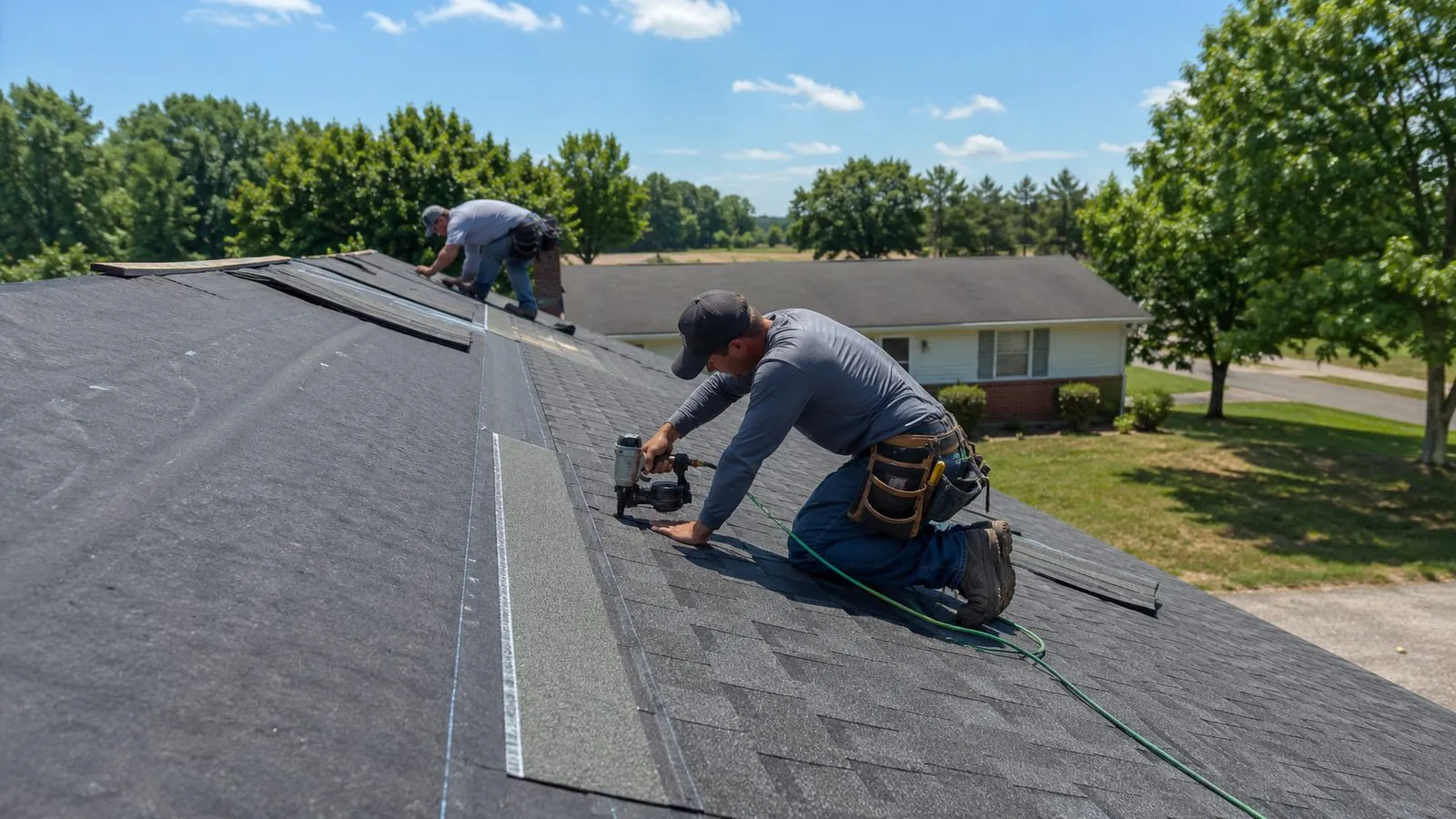
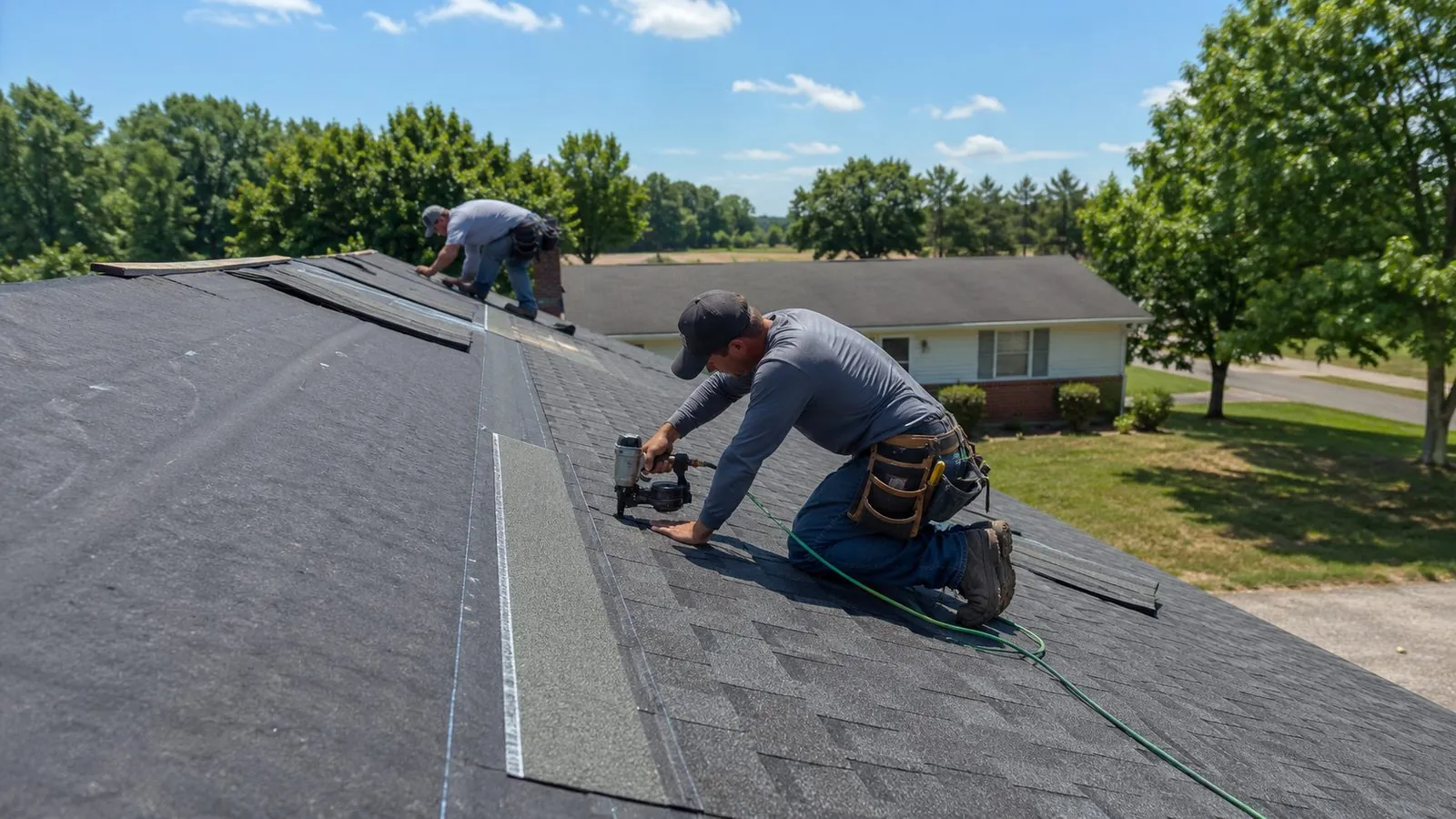
Storm Or Planned, We've Got You
Roof emergency, or just planning ahead? Either way, one call fixes it.
Storm damage gets answered day or night. A new roof gets a straight, no-pressure estimate. Same crew, same standard, every time.