
Get Your Roof Ready for Winter in Western Kentucky
By Fit Roofing
To winterize a roof in western Kentucky and northwest Tennessee, check the shingles and flashing from the ground, clear the gutters, trim limbs hanging over the roof, and make sure your attic is not leaking house heat up to the roof deck. Then know what to leave alone once snow and ice arrive.
Quick answer: Do a ground-level look at the shingles, flashing, and gutters on a dry day, trim overhanging limbs, and check the attic for heat leaks. In winter, stay off the roof and call a pro for leaks.
When should you winterize your roof here?
Do it before the first hard freeze. The National Weather Service in Paducah says the average first autumn freeze falls between October 20th and 31st depending on location, and that it has come as early as mid to late September in northern areas and as late as mid to late November on a few occasions. If you are reading this in November, you are not too late. You are just on the clock.
Our winters are not Minnesota winters. What hurts roofs here is the swing: sleet, a freeze overnight, a thaw by afternoon, then a freeze again. Water gets into small gaps during the thaw and expands when it refreezes. That is why a small gap in October can turn into a ceiling stain in January.
What should you check on the roof before winter?
Most of this you can do from the ground with binoculars, or from a ladder at the eave if you are comfortable. Do not walk a roof you are not trained to walk. Here is the short list, in a sensible order:
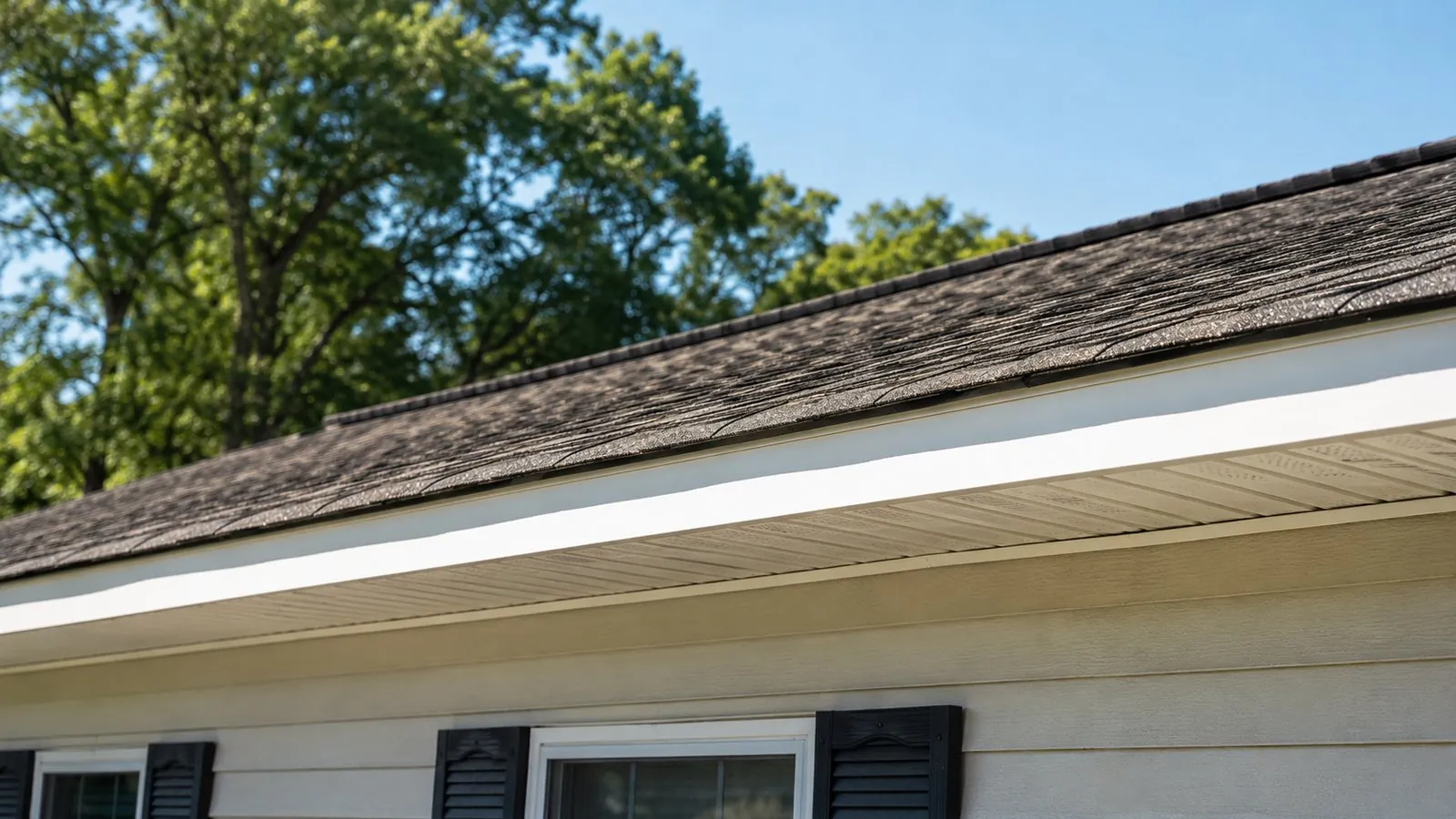
- Shingles. Look for curled, cracked, or missing shingles and any bare patches where granules have worn off. These are the places water finds first.
- Flashing. Flashing is the metal that seals the roof where it meets a chimney, wall, vent pipe, or valley. Look for lifted edges, rust, or sealant that has dried out and split.
- Gutters and the eave. Clogged gutters back water up under the first row of shingles. Our guide on clogged gutters and roof damage covers what to fix.
- Trees. Limbs that hang over the roof can scrape shingles in the wind, and they can come down on the roof under a load of ice. Have anything overhanging trimmed back before the weather turns.
- The attic. Look at the underside of the roof deck on a dry day for dark stains, damp insulation, or daylight where it should not be.
If you want the full run-through, our fall roof maintenance checklist goes into more detail on each item. If you find damage you are not sure about, a free roof inspection is the easy next step.
How do you keep ice dams from forming?
Keep the roof deck cold and keep house heat out of the attic. IBHS explains that ice dams form when there is a layer of snow on the roof and heat from the living space rises into the attic and warms the roof, melting the snow from underneath. The meltwater runs down to the roof edge, which stays colder because it extends past the heated part of the house, and refreezes there. Over repeated cycles the ice builds into a dam that holds water back, and that water can be forced under shingles and into the attic or down exterior walls.
IBHS lists three long-term fixes:
| Fix | What it does |
|---|---|
| Proper attic ventilation | Keeps the roof cold so snow does not melt from below |
| More attic insulation | Limits how much heat reaches the roof |
| Sealing ceiling openings | Keeps warm indoor air from getting into the attic |
For the ventilation side, see our post on why attic ventilation makes your roof last longer. Most of these are not winter-weekend jobs. If you had a problem last year, fix the cause this fall rather than hoping for a mild winter.
What should you do when snow and ice are already on the roof?
Stay off it, and work from the ground. IBHS names two immediate measures: removing snow with a wheeled snow rake or a licensed professional, and heating cables along the eaves, gutters, and downspouts that are UL Listed, FM Approved, or CSA Certified.
Here is what to skip:
- Do not climb up to chip ice. A hammer or shovel can tear shingles, and a fall hurts a lot more than a stain.
- Do not ignore a drip. A slow leak that shows up after a thaw gets worse each cycle. Put a bucket under it, take a photo, and call.
What if the roof is already damaged this winter?
Document it, stop the water, and call a roofer. A temporary tarp or a quick repair on a dry day buys you time. A leak that sits through the season rots decking and insulation, and that is where a small fix turns into a big bill.
If a winter storm or fallen limb does real damage, take dated photos before anything is moved, and read your policy. Fit Roofing’s roof restoration service covers storm and ice damage. For aging shingles that keep failing, shingle roofing repair or replacement is the longer-term answer, and our guide on what happens during a roof inspection shows what a good one looks like.
Winter prep here is mostly a couple of hours on a dry day and a little discipline when the weather turns. Get the look done now, and you will be glad you did the first time it sleets.
Questions
Frequently Asked Questions
Do I really need to winterize my roof in western Kentucky?
You don't need to wrap it or cover it, but a short check before the cold sets in is worth it. Our winters are mild compared to the Midwest, yet we still get freeze and thaw swings, sleet, and the occasional ice storm. A roof with loose shingles, dried-out sealant around penetrations, or a poorly vented attic is the one that leaks when that weather arrives.
Should I shovel or knock the snow and ice off my roof?
Generally no. Climbing on a snowy or icy roof is a fall risk, and chipping at ice with a hammer or shovel can tear shingles. IBHS lists removing snow with a wheeled snow rake from the ground, or hiring a licensed professional, as the immediate options. If water is already coming through the ceiling, call a roofer instead of working at the eave yourself.
What causes ice dams on a roof?
According to IBHS, ice dams form when there is snow on the roof and heat from the house warms the roof from underneath. The snow melts, runs down to the colder eave, and refreezes there. Repeated cycles build a ridge of ice that holds water back, and that water can be forced under shingles. Better attic insulation, ventilation, and sealing ceiling openings are the long-term fixes.
When is the first freeze in western Kentucky?
The National Weather Service in Paducah says the average first autumn freeze falls between October 20th and 31st depending on location. It has come as early as mid to late September in northern locations and as late as mid to late November on a few occasions. If you haven't looked at your roof by Halloween, do it on the next dry day.
Can a roof be repaired in cold weather?
Small repairs like replacing a few shingles or resealing flashing can often be done on a dry winter day. Larger work depends on temperature and conditions. If you have an active leak, get it stopped first and plan the bigger repair for when conditions allow.
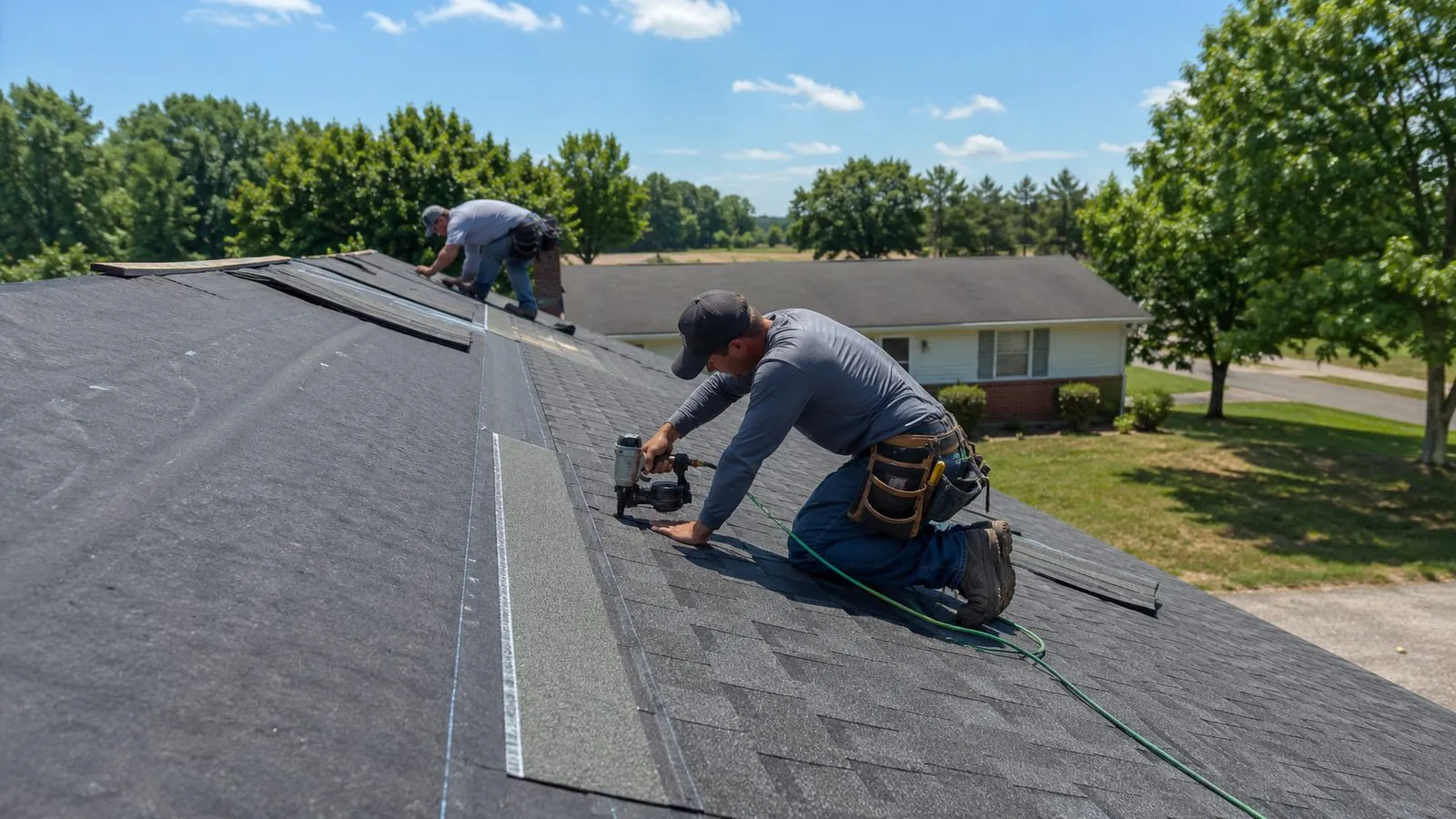
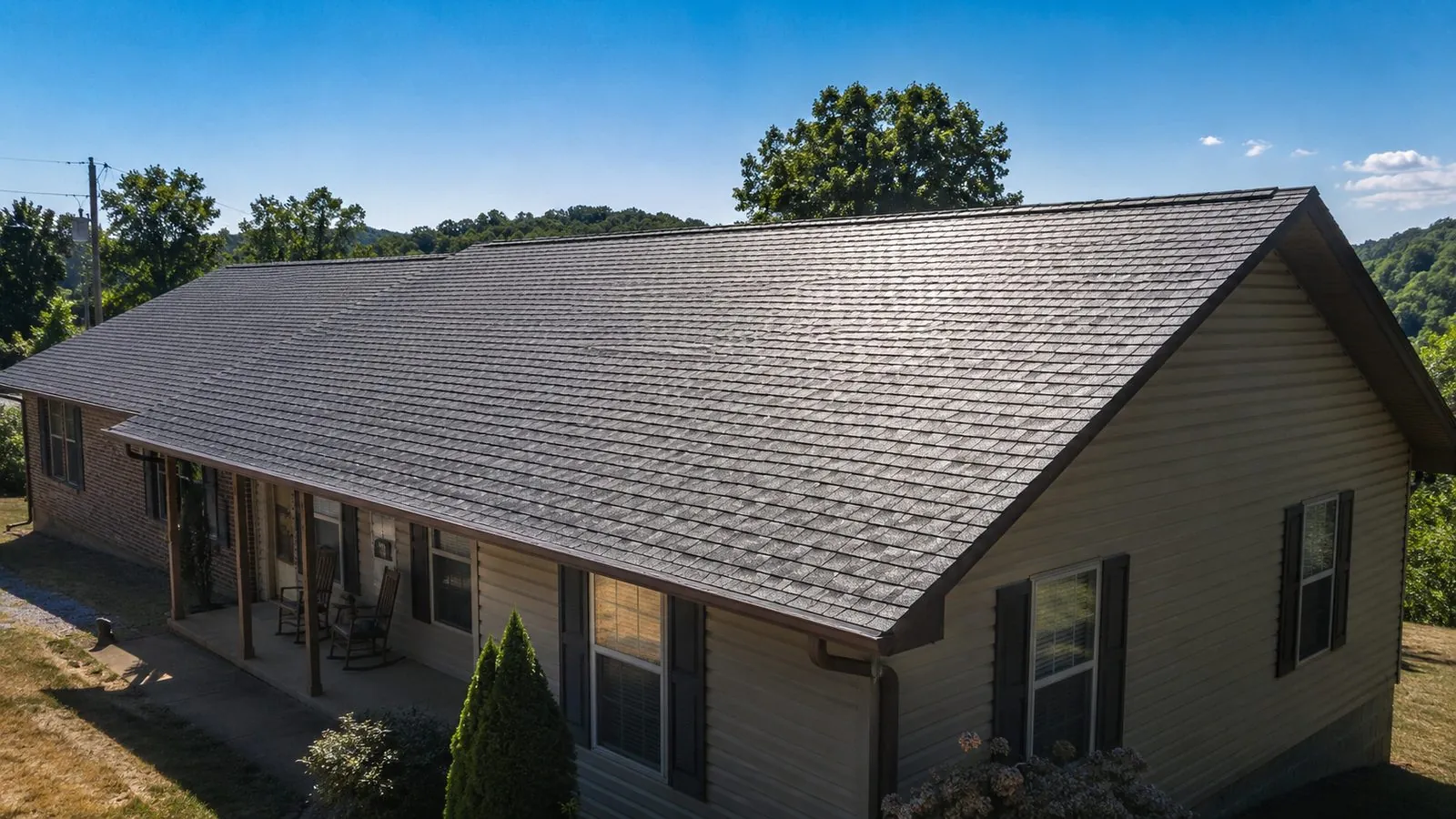
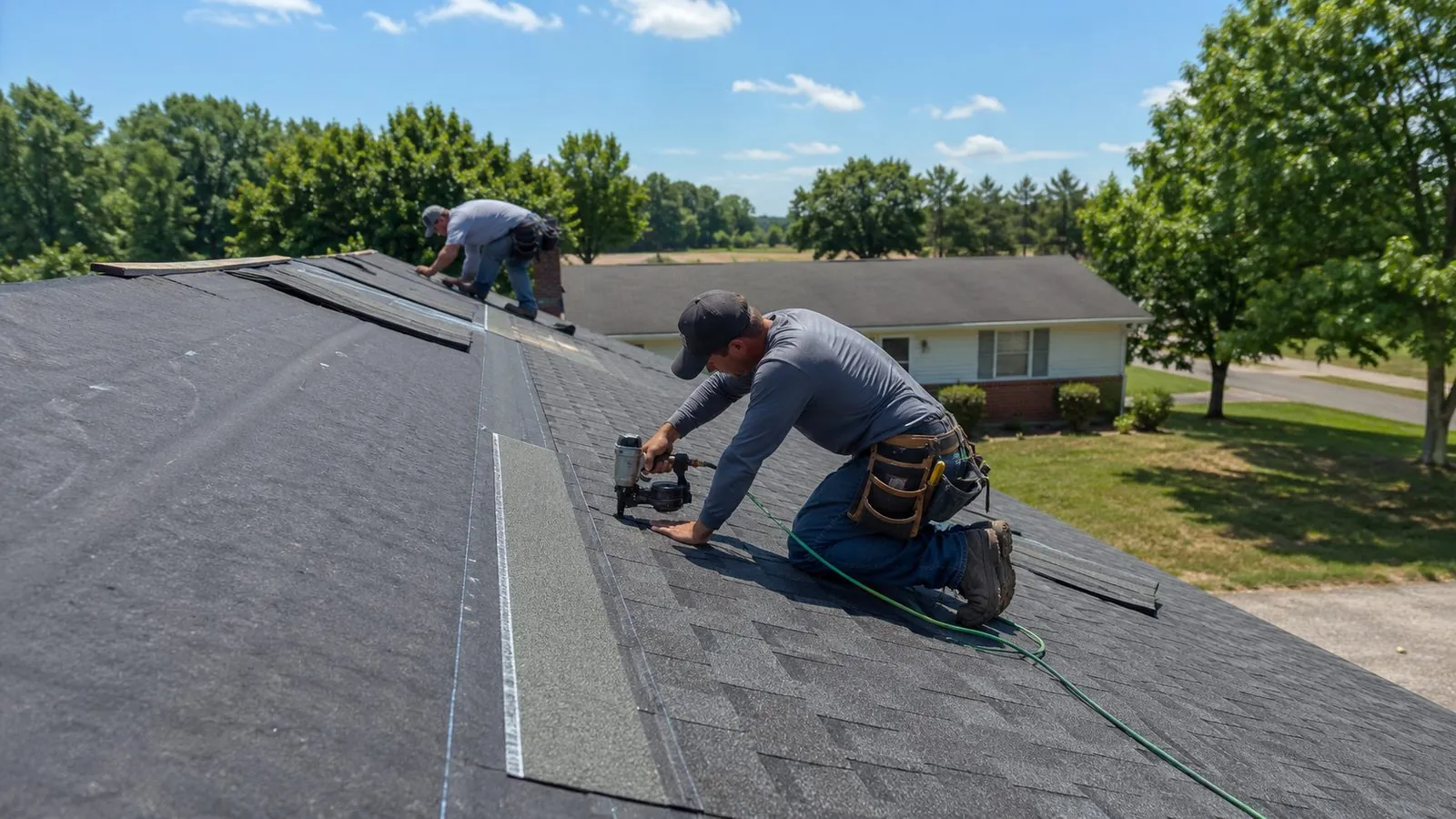
Storm Or Planned, We've Got You
Roof emergency, or just planning ahead? Either way, one call fixes it.
Storm damage gets answered day or night. A new roof gets a straight, no-pressure estimate. Same crew, same standard, every time.